News

How Does Brick Making Auxiliary Equipment Improve Production Efficiency?

2026-03-02 0 Leave me a message

Article Summary

Brick making auxiliary equipment plays a decisive role in stabilizing output, improving brick quality, and reducing operational costs in modern brick manufacturing lines. While main brick machines often receive most attention, auxiliary equipment directly influences material handling, preparation accuracy, automation continuity, and final product consistency. 

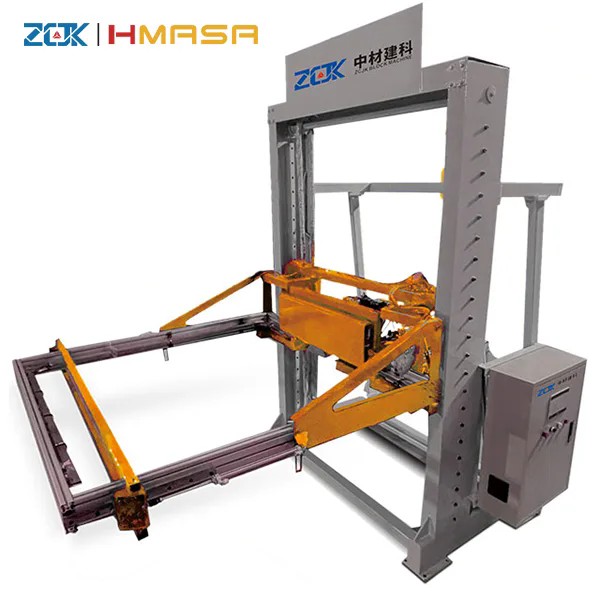
Fully Automatic Downward Plastic Strapping Machine


Table of Contents


Article Outline

  • Understanding the role of auxiliary equipment in brick production
  • Common problems caused by inadequate supporting machinery
  • Types and functions of brick making auxiliary equipment
  • Selection principles based on production scale and materials
  • Operational efficiency, maintenance, and long-term reliability

Brick Making Auxiliary Equipment Overview

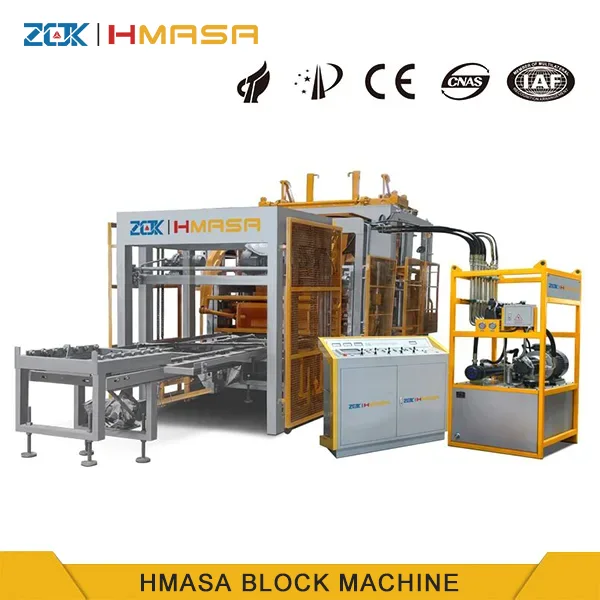
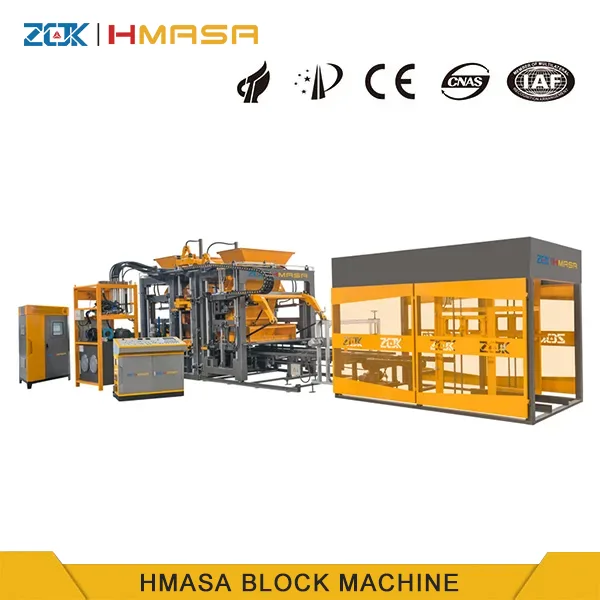
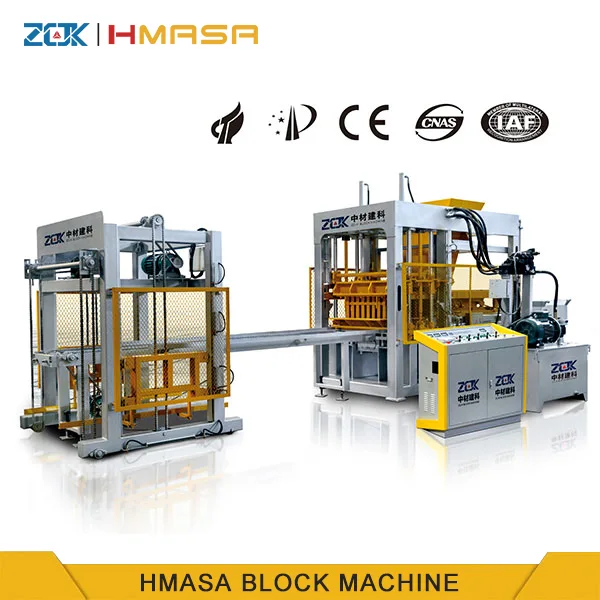
Brick making auxiliary equipment refers to all supporting machinery used alongside the main brick forming machine. These systems manage raw material feeding, mixing, conveying, stacking, curing preparation, and handling of finished bricks. Without well-matched auxiliary equipment, even high-performance brick machines cannot operate at full capacity.

In modern automated brick plants, auxiliary equipment ensures continuous material flow, precise batching, reduced manual labor, and consistent product quality. ZCJK designs brick making auxiliary equipment as part of an integrated production solution rather than isolated machines, allowing manufacturers to achieve smoother workflows and predictable output.


Key Customer Pain Points

Many brick manufacturers face operational challenges that originate not from the main brick machine, but from insufficient or mismatched auxiliary equipment.

  • Unstable raw material feeding causing uneven brick density
  • Frequent production interruptions due to manual handling
  • Inconsistent mixing leading to strength variation
  • High labor costs and low automation levels
  • Material waste caused by poor conveying accuracy
  • Difficulty scaling production capacity

These issues often result in higher rejection rates, increased downtime, and reduced profitability. Properly configured brick making auxiliary equipment directly addresses these challenges.


Main Categories of Auxiliary Equipment

Brick making auxiliary equipment can be divided into several functional categories, each serving a specific purpose in the production line.

  • Material Feeding Equipment – Box feeders, belt feeders, and hoppers for controlled raw material supply
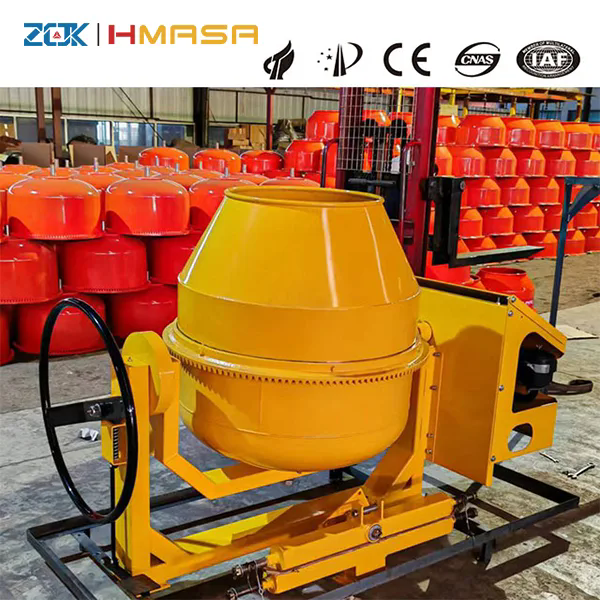
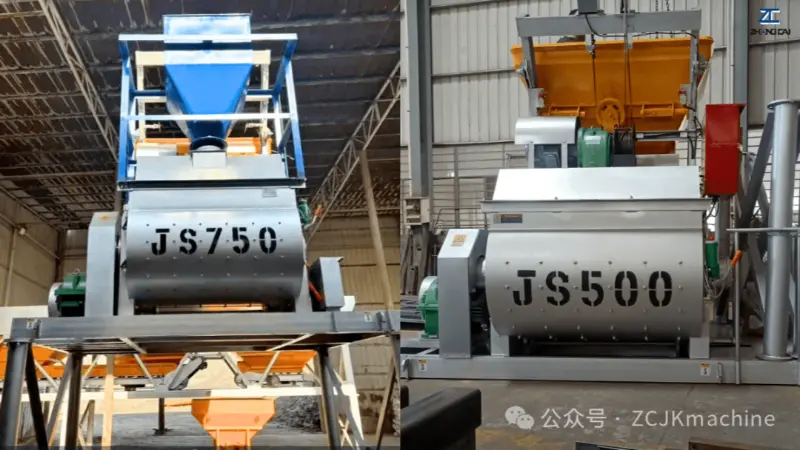
  • Mixing Equipment – Double-shaft mixers and pan mixers for uniform material blending
  • Conveying Systems – Belt conveyors and screw conveyors for efficient material transfer
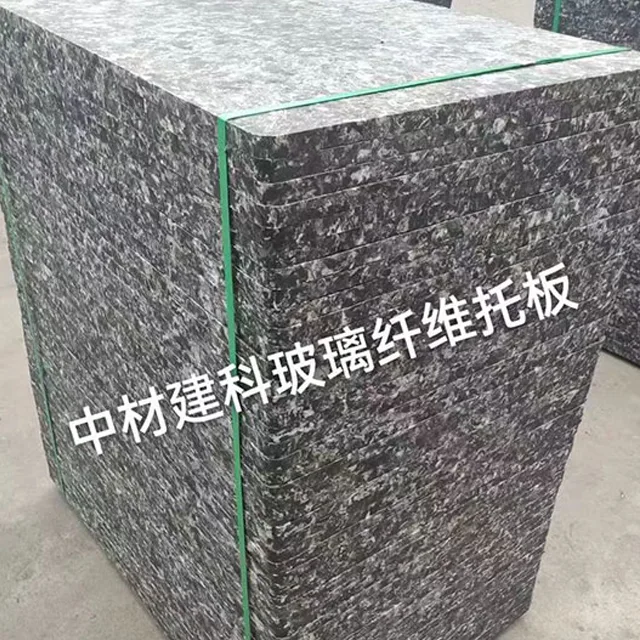
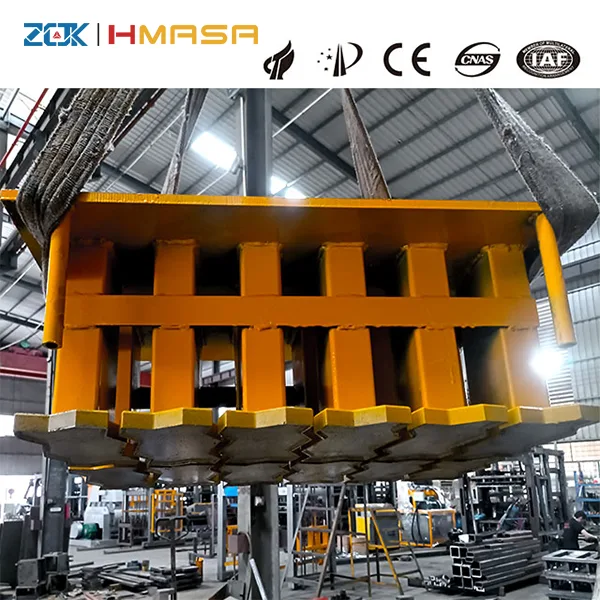
  • Stacking and Handling Equipment – Automatic stackers and pallet systems
  • Batching and Weighing Systems – Precise proportioning of raw materials

How Auxiliary Equipment Supports the Workflow

Brick production is a continuous process where each stage depends on the stability of the previous one. Brick making auxiliary equipment acts as the backbone of this workflow.

  • Raw materials are fed evenly to prevent machine overload
  • Accurate mixing ensures uniform brick strength
  • Automated conveying minimizes manual intervention
  • Consistent stacking improves curing and storage efficiency

By synchronizing auxiliary equipment with the main brick machine, manufacturers can maintain stable cycle times and reduce unexpected stoppages.


How to Select Suitable Equipment

Choosing the right brick making auxiliary equipment requires a clear understanding of production requirements and operational constraints.

  • Daily production capacity targets
  • Types and moisture content of raw materials
  • Available factory space and layout
  • Level of automation desired
  • Maintenance and operator skill levels

ZCJK assists customers in evaluating these factors to configure auxiliary equipment that aligns with both current needs and future expansion plans.


Auxiliary Equipment Comparison Table

Equipment Type Primary Function Key Benefit Typical Use
Box Feeder Material feeding Stable supply Clay and soil bricks
Double Shaft Mixer Material mixing Uniform composition High-strength bricks
Belt Conveyor Material transport Reduced labor Automated lines
Automatic Stacker Brick stacking Higher efficiency Large-scale plants

Maintenance and Operational Stability

Long-term performance of brick making auxiliary equipment depends on proper maintenance and operational discipline. Regular inspection of wear parts, lubrication schedules, and alignment checks significantly reduce unexpected downtime.

ZCJK designs auxiliary equipment with durability and ease of maintenance in mind, helping manufacturers achieve stable production with lower lifecycle costs.


Application Scenarios

Brick making auxiliary equipment is widely used across various brick production scenarios.

  • Clay brick manufacturing plants
  • Fly ash and industrial waste brick lines
  • Concrete block production facilities
  • Fully automated large-scale brick factories
  • Upgraded semi-automatic production lines

Frequently Asked Questions

Is auxiliary equipment necessary for small brick plants?
Yes. Even small-scale plants benefit from stable feeding and mixing equipment to ensure consistent quality.

Can existing production lines be upgraded?
In most cases, auxiliary equipment can be added or upgraded to improve automation and efficiency.

How does auxiliary equipment reduce labor costs?
Automation minimizes manual handling, reduces workforce requirements, and improves safety.

Does auxiliary equipment affect brick quality?
Yes. Proper mixing, feeding, and handling directly influence brick strength and uniformity.


Conclusion and Contact Us

Brick making auxiliary equipment is essential for achieving efficient, stable, and scalable brick production. By addressing material handling, mixing accuracy, and automation continuity, auxiliary systems significantly improve overall plant performance. Manufacturers who invest in well-matched auxiliary equipment gain better quality control, lower operating costs, and greater production flexibility.

ZCJK offers complete brick making auxiliary equipment solutions designed to integrate seamlessly with modern brick production lines. If you are planning to upgrade your facility or build a new production line, contact us to explore how ZCJK can support your project with reliable equipment and professional technical guidance.

Related News
Leave me a message
X
We use cookies to offer you a better browsing experience, analyze site traffic and personalize content. By using this site, you agree to our use of cookies. Privacy Policy
Reject Accept