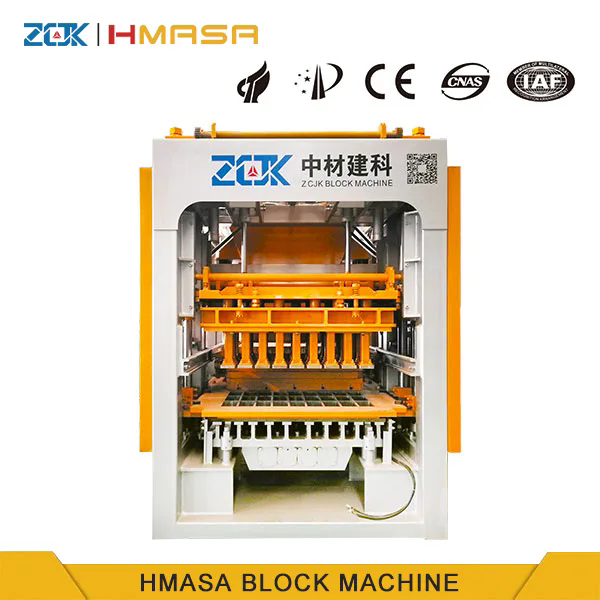
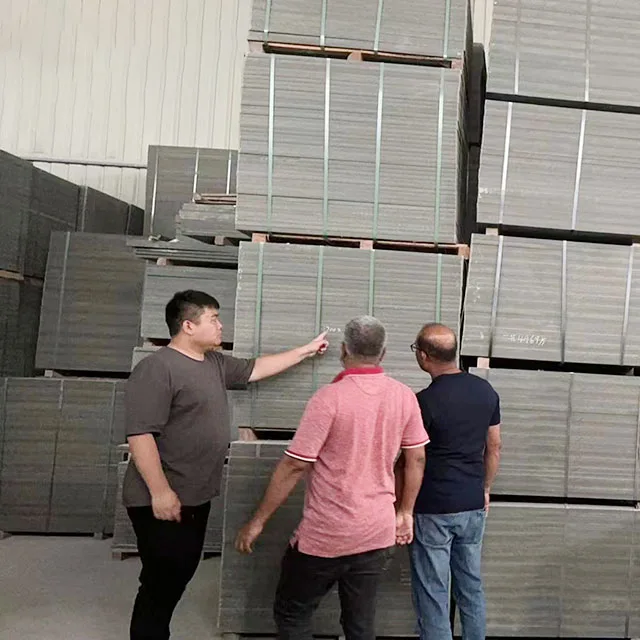
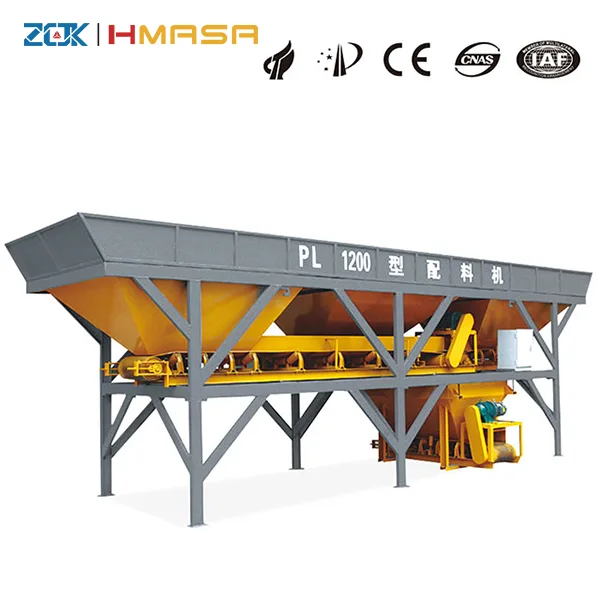
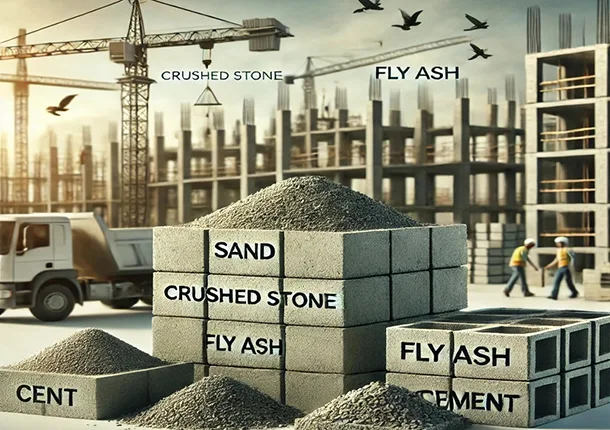
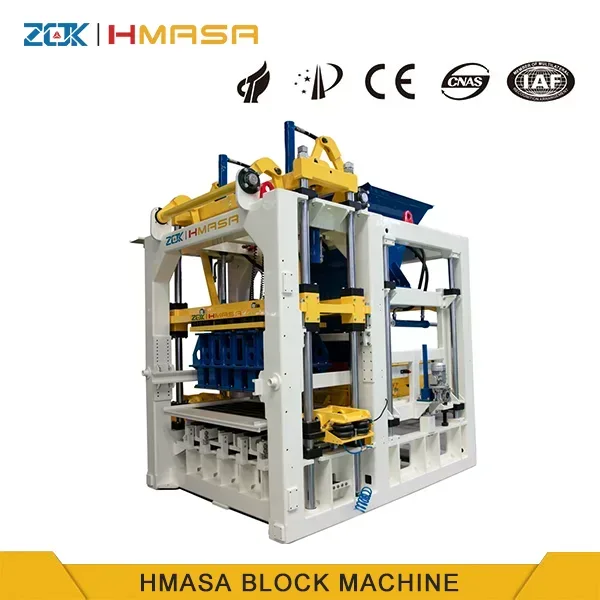
Sustainable construction methods are gaining global attention as builders seek cost-effective and environmentally responsible materials. One technology attracting increasing interest is the Compressed Earth Block Machine. This equipment converts natural soil into dense, uniform construction blocks through high-pressure compression, offering an alternative to traditional fired bricks and concrete blocks.
This article explains how a compressed earth block machine works, the production process, the key machine components, and how businesses or contractors can benefit from adopting this technology. It also addresses common challenges such as soil selection, block strength, production efficiency, and maintenance requirements.
Table of Contents
Introduction to Compressed Earth Block Technology
How a Compressed Earth Block Machine Works
Main Components of the Machine
Production Workflow of Compressed Earth Blocks
Technical Parameters of Typical Machines
Advantages for Construction Projects
Common Challenges and Practical Solutions
Applications Across Different Building Projects
Frequently Asked Questions
Conclusion
Introduction to Compressed Earth Block Technology
Construction industries around the world are searching for materials that reduce environmental impact while maintaining structural performance. One solution is the use of compressed earth blocks (CEB), which are manufactured using locally available soil combined with mechanical compression.
Unlike traditional bricks that require kiln firing, compressed earth blocks are produced by applying high pressure to a prepared soil mixture. This process increases density and bonding between soil particles, producing blocks with high load-bearing strength and excellent durability.
A Compressed Earth Block Machine is the equipment responsible for applying this pressure. With proper soil composition and machine calibration, the resulting blocks can meet many construction requirements for residential, agricultural, and community buildings.
How a Compressed Earth Block Machine Works
The operating principle of a compressed earth block machine is relatively straightforward but highly effective. It relies on mechanical or hydraulic pressure to compact soil into a dense block shape inside a mold.
The process typically involves several stages:
Soil Preparation – Raw soil is screened to remove stones and organic material.
Material Mixing – Soil may be combined with sand, clay, or stabilizing agents such as cement.
Mold Filling – The prepared mixture is fed into the block mold.
High-Pressure Compression – Hydraulic or mechanical force compacts the mixture.
Block Ejection – The finished block is automatically pushed out of the mold.
Curing Process – Blocks are allowed to cure and gain strength.
High-quality machines, such as those developed by ZCJK, are designed to maintain consistent pressure and precise mold shaping to ensure each block has uniform density and dimensions.
Main Components of the Machine
A compressed earth block machine consists of several core components working together to ensure efficient block production.
Component
Function
Feeding Hopper
Stores and feeds prepared soil mixture into the compression chamber.
Compression Chamber
The mold cavity where soil is compacted into a block.
Hydraulic System
Provides high pressure needed to compress the soil mixture.
Control System
Regulates pressure, cycle time, and block dimensions.
Block Ejection System
Pushes the finished block out of the mold for collection.
Modern machines integrate automated controls to improve productivity and reduce manual labor during operation.
Production Workflow of Compressed Earth Blocks
Efficient block manufacturing requires a well-organized production workflow. The following steps outline a standard process used in many production facilities.
Soil excavation and transportation
Screening and particle size control
Moisture adjustment and mixing
Machine feeding and compression
Block stacking and curing
Quality inspection before construction use
Maintaining consistent moisture content and soil composition is crucial for achieving reliable block strength and durability.
Technical Parameters of Typical Machines
While specifications vary depending on model and capacity, the following table illustrates common technical parameters found in compressed earth block machines.
Parameter
Typical Value
Block Size
300 × 150 × 100 mm (customizable)
Compression Pressure
20–40 MPa
Production Capacity
500–2000 blocks per hour
Power Requirement
7.5–22 kW
Machine Weight
2–5 tons depending on configuration
These specifications may vary depending on the machine model and the production requirements of the project.
Advantages for Construction Projects
Adopting compressed earth block machines offers several advantages for builders, developers, and infrastructure projects.
Lower Material Costs – Local soil reduces the need for expensive raw materials.
Energy Savings – No high-temperature kiln firing is required.
Environmental Benefits – Reduced carbon emissions compared with traditional bricks.
Strong Structural Performance – Properly compressed blocks can achieve high compressive strength.
Flexible Production – Machines can produce various block shapes and sizes.
These benefits make compressed earth blocks attractive for rural housing projects, eco-resorts, schools, and community buildings.
Common Challenges and Practical Solutions
Although the technology is highly practical, users often encounter several operational challenges.
1. Soil Composition Variability
Different soil types may contain varying proportions of sand, clay, and silt. Conducting soil tests and adjusting mixtures ensures proper block strength.
2. Moisture Control
Too much water can weaken blocks, while too little may cause cracking. Maintaining controlled moisture content is essential.
3. Machine Maintenance
Regular inspection of hydraulic systems, molds, and moving parts prevents downtime and maintains production efficiency.
4. Block Curing Time
Allowing adequate curing time improves compressive strength and durability before blocks are used in construction.
Applications Across Different Building Projects
Compressed earth blocks produced by these machines are widely used across multiple sectors.
Residential housing construction
Eco-friendly tourism buildings
Agricultural storage facilities
Community schools and clinics
Landscape retaining walls
Low-cost infrastructure development
Because the blocks are made from natural materials, they integrate well into sustainable architecture and environmentally conscious development projects.
Frequently Asked Questions
Q1: What type of soil is suitable for compressed earth block production?
The ideal soil mixture typically contains 15–30% clay and a balanced proportion of sand and silt. Soil testing helps determine the best mix for block strength and durability.
Q2: Do compressed earth blocks require cement?
Some projects use small amounts of cement or lime as stabilizers, especially in areas with heavy rainfall. However, many blocks can be produced using natural soil mixtures alone.
Q3: How strong are compressed earth blocks?
Depending on soil composition and compression pressure, blocks can reach compressive strengths comparable to traditional masonry materials.
Q4: What maintenance does the machine require?
Routine lubrication, hydraulic system checks, and mold cleaning are recommended to maintain consistent production quality.
Conclusion
The compressed earth block machine provides a practical solution for producing strong, sustainable building materials using locally available soil. By applying controlled pressure and standardized molding technology, these machines can generate durable blocks suitable for a wide range of construction projects.
With reliable engineering and efficient production capabilities, ZCJK continues to provide advanced compressed earth block machine solutions designed to meet modern construction demands. Businesses, contractors, and developers seeking cost-effective building materials can benefit greatly from integrating this technology into their production process.
If you are exploring reliable equipment for earth block production or planning to establish a block manufacturing facility, the professional team at ZCJK is ready to assist with machine selection and technical guidance. Contact us today to learn how our compressed earth block machine solutions can support your construction project and improve production efficiency.
We use cookies to offer you a better browsing experience, analyze site traffic and personalize content. By using this site, you agree to our use of cookies.
Privacy Policy