A concrete cement mixer is a critical piece of equipment in modern construction, designed to ensure uniform mixing of cement, aggregates, and water. This article explains how concrete cement mixers work, their types, key features, and how they address common construction challenges such as inconsistent mixing, labor inefficiency, and time delays. By understanding these factors, contractors and buyers can make informed decisions to improve productivity and project quality.
In construction projects, the quality of concrete directly impacts structural integrity. Manual mixing methods often lead to uneven composition, wasted materials, and increased labor costs. A concrete cement mixer solves these issues by automating the mixing process and ensuring consistent results.
2. What Is a Concrete Cement Mixer?
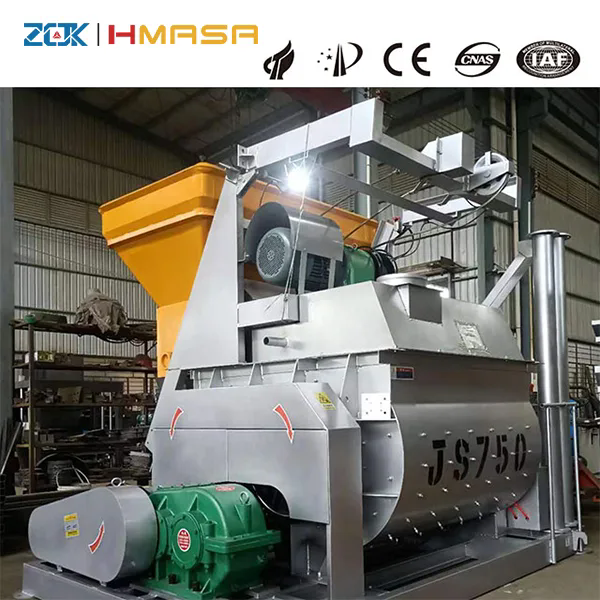
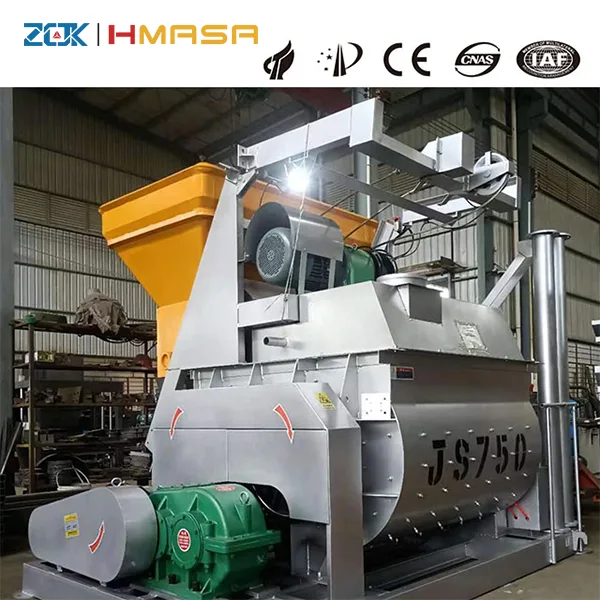
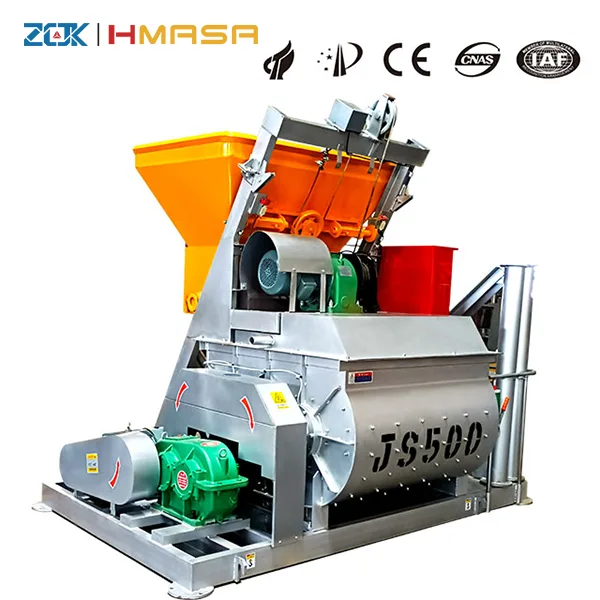
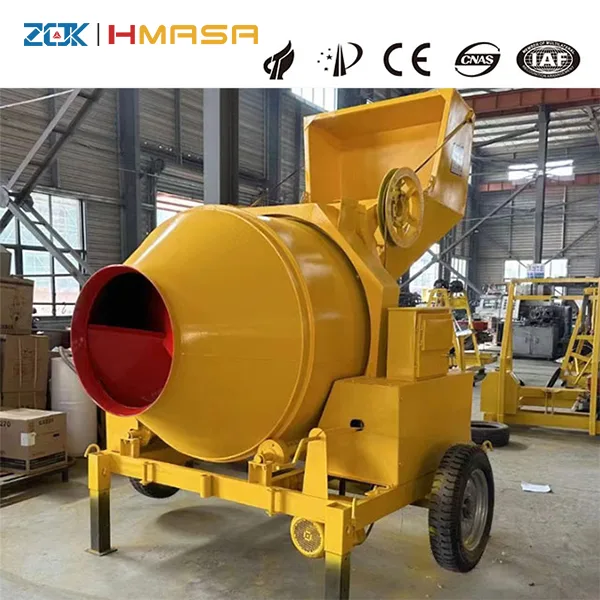
A concrete cement mixer is a machine used to combine cement, sand, gravel, and water into a homogeneous mixture. It consists of a rotating drum, a motor, and a mixing mechanism designed to evenly blend materials.
These machines are widely used in residential construction, roadwork, infrastructure development, and industrial projects due to their efficiency and reliability.
3. How Does a Concrete Cement Mixer Work?
The working principle of a concrete cement mixer is straightforward but highly effective:
The drum rotates either clockwise or counterclockwise.
Materials are loaded into the drum through an inlet.
Internal blades lift and drop the mixture repeatedly.
This motion ensures thorough mixing and prevents segregation.
The final mixture is discharged through an outlet for immediate use.
This continuous mixing process guarantees uniformity, which is essential for achieving the desired strength and durability of concrete.
4. Types of Concrete Cement Mixers
Different construction projects require different types of mixers. Below are the most common categories:
Drum Mixers: Ideal for large-scale projects and continuous mixing.
Pan Mixers: Suitable for high-quality, uniform mixing.
Twin Shaft Mixers: Designed for high efficiency and large output.
Portable Mixers: Perfect for small projects and easy transportation.
5. Key Features and Technical Parameters
Parameter
Description
Mixing Capacity
Typically ranges from 120L to 1000L or more
Power Type
Electric motor or diesel engine
Drum Speed
20–30 rotations per minute
Material
High-strength steel for durability
Mobility
Stationary or portable with wheels
Discharge Method
Manual tilt or automatic discharge
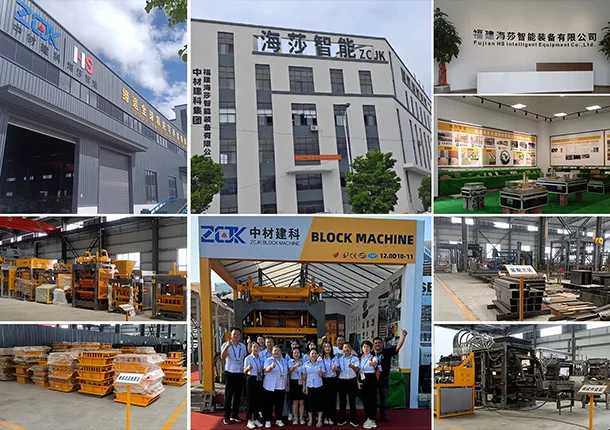
Manufacturers such as ZCJK focus on optimizing these parameters to ensure reliable performance and long service life.
6. Common Customer Pain Points and Solutions
1. Inconsistent Mixing Quality
Manual mixing often results in uneven distribution of materials. A concrete cement mixer ensures uniform blending, improving structural integrity.
2. High Labor Costs
Traditional mixing requires multiple workers. Automated mixers reduce labor dependency and increase efficiency.
3. Time-Consuming Processes
Construction delays can be costly. Mixers significantly reduce preparation time, allowing faster project completion.
4. Material Waste
Improper mixing leads to wasted cement and aggregates. Precise mixing minimizes waste and reduces costs.
5. Equipment Durability Concerns
Low-quality mixers wear out quickly. Choosing robust equipment from reliable manufacturers like ZCJK ensures longevity.
7. How to Choose the Right Concrete Cement Mixer
Selecting the right mixer depends on several factors:
Project Size: Large projects require high-capacity mixers.
Power Source: Choose electric for urban areas and diesel for remote sites.
Mobility Needs: Portable mixers are ideal for flexible operations.
Budget: Balance cost with long-term value and durability.
Maintenance Requirements: Opt for machines with easy maintenance.
Evaluating these factors ensures that the chosen equipment aligns with operational requirements.
8. Maintenance Tips for Long-Term Performance
Clean the drum after each use to prevent residue buildup.
Inspect moving parts regularly for wear and tear.
Lubricate bearings and gears to ensure smooth operation.
Check electrical or engine components periodically.
Store the mixer in a dry environment to prevent corrosion.
Proper maintenance not only extends equipment lifespan but also ensures consistent performance.
9. FAQ
Q1: What is the ideal mixing time for concrete?
The typical mixing time ranges from 3 to 5 minutes, depending on the machine and material consistency required.
Q2: Can a concrete cement mixer handle different material ratios?
Yes, mixers are designed to handle various ratios, making them suitable for different construction needs.
Q3: Is a portable mixer suitable for large projects?
Portable mixers are better suited for small to medium projects. Large-scale construction requires higher-capacity equipment.
Q4: How often should maintenance be performed?
Routine checks should be conducted daily, while comprehensive maintenance should be scheduled monthly.
10. Conclusion
A concrete cement mixer is an indispensable tool for modern construction, offering efficiency, consistency, and cost savings. By addressing common challenges such as uneven mixing and labor inefficiency, it significantly enhances project outcomes.
ZCJK provides reliable and high-performance concrete cement mixers designed to meet diverse construction demands. With advanced engineering and durable materials, these machines deliver consistent results across various applications.
If you are looking to improve your construction efficiency and ensure superior concrete quality, contact us today to explore the best solutions tailored to your project needs.
We use cookies to offer you a better browsing experience, analyze site traffic and personalize content. By using this site, you agree to our use of cookies.
Privacy Policy