Summary: This article explores the various aspects of Concrete Mixers, providing detailed insights into their types, specifications, and practical applications in the construction industry. It addresses common questions and guides professionals on optimizing concrete mixing processes for enhanced efficiency and durability.
Concrete Mixers are essential machinery in modern construction projects, designed to efficiently mix cement, aggregates, and water to produce uniform concrete. Proper selection and use of a Concrete Mixer can significantly improve project productivity, reduce material waste, and ensure high-quality results. This article aims to provide a detailed overview of Concrete Mixer specifications, practical usage methods, and answers to common industry questions.
Key Concrete Mixer Specifications
Parameter
Description
Mixing Capacity
0.5 m³ to 6 m³ per batch, depending on model
Drum Rotation Speed
14-28 RPM, adjustable based on concrete type
Engine Power
5.5 kW to 22 kW, options for diesel or electric
Mobility
Stationary, towable, or self-loading variants available
Mixing Type
Tilting drum, non-tilting drum, pan mixer, planetary mixer
Weight
600 kg to 4500 kg, depending on capacity
Types of Concrete Mixers and Their Applications
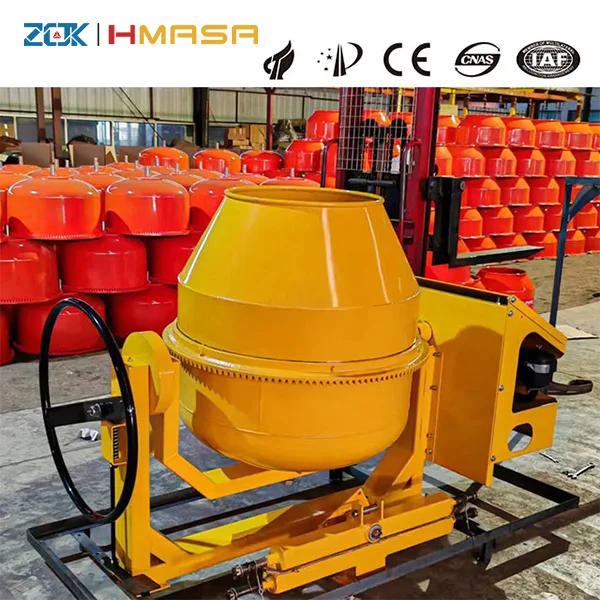
Concrete Mixers vary according to their mixing mechanism, mobility, and capacity. Selecting the right type is crucial for specific construction requirements:
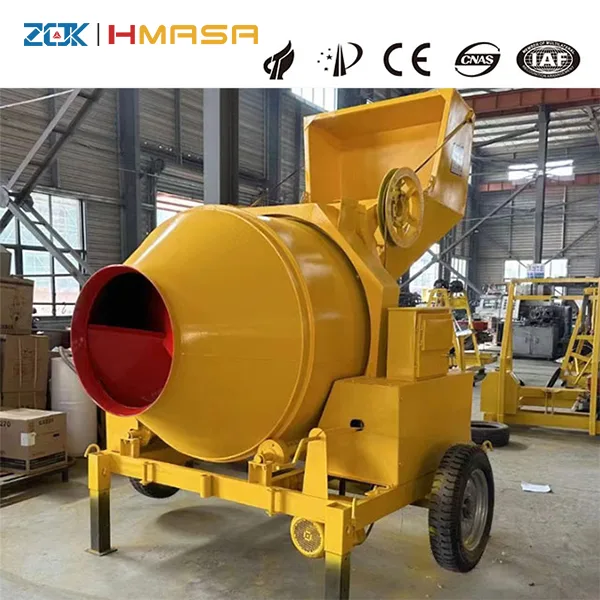
1. Tilting Drum Concrete Mixer
Ideal for small- to medium-scale construction sites. Allows for quick discharge of mixed concrete by tilting the drum forward. Commonly used for residential and urban construction projects.
2. Non-Tilting Drum Concrete Mixer
Designed for large-scale projects with consistent mixing requirements. The drum remains fixed, and concrete is discharged using a separate chute system.
3. Pan Mixer
Provides high-quality concrete mixing with uniform consistency. Typically used in precast concrete manufacturing and ready-mix plants.
4. Planetary Mixer
Offers thorough mixing for high-strength and self-compacting concrete. Suitable for specialized construction projects requiring precise material blending.
How to Choose the Right Concrete Mixer
Selecting an appropriate Concrete Mixer depends on factors such as project size, required capacity, mobility, and maintenance considerations. Evaluating the site requirements and type of concrete to be mixed ensures optimal efficiency.
Key Considerations
Project Scale: Small, medium, or large construction sites
Mixing Capacity: Align with daily concrete usage
Energy Source: Electric vs. diesel powered
Durability: Material quality and drum design
Maintenance Requirements: Ease of cleaning and parts replacement
Concrete Mixer Maintenance Tips
Proper maintenance of Concrete Mixers extends equipment lifespan and ensures consistent concrete quality. Regular inspections and routine cleaning are essential for optimal operation.
Maintenance Guidelines
Clean the drum after each use to prevent hardened concrete buildup
Lubricate moving parts periodically to reduce wear and tear
Check engine and motor performance regularly
Inspect tires or wheels for mobile mixers to ensure safe operation
Replace worn mixing blades promptly for uniform concrete mixing
Concrete Mixer FAQ
Q1: How often should a Concrete Mixer be cleaned?
A1: A Concrete Mixer should be cleaned after each mixing session to prevent residual concrete from hardening inside the drum. This ensures smooth operation and extends the mixer’s lifespan. Using water and a stiff brush or a pressure washer is recommended, and in some cases, mild detergents can assist in removing stubborn deposits.
Q2: What is the ideal mixing time for a Concrete Mixer?
A2: The ideal mixing time depends on the mixer type and the concrete recipe. Generally, a tilting drum mixer requires 2–5 minutes per batch for small-scale projects, while a planetary or pan mixer may need 5–8 minutes to achieve uniform consistency. Overmixing should be avoided to prevent segregation and reduce concrete quality.
Q3: How can I improve the efficiency of my Concrete Mixer?
A3: Efficiency can be improved by selecting the correct mixer type for your project, maintaining optimal drum rotation speed, regularly inspecting and maintaining the mixer, and ensuring accurate proportioning of materials. Additionally, using pre-weighed ingredients and organizing site workflow reduces downtime and material wastage.
Conclusion
Concrete Mixers play a pivotal role in enhancing construction efficiency by delivering consistent, high-quality concrete. Understanding their types, specifications, and maintenance requirements ensures reliable performance across different project scales. For those seeking dependable Concrete Mixer solutions, ZCJK offers a range of advanced, durable, and efficient machines designed to meet diverse construction needs. To learn more or discuss your project requirements, contact us today.
We use cookies to offer you a better browsing experience, analyze site traffic and personalize content. By using this site, you agree to our use of cookies.
Privacy Policy