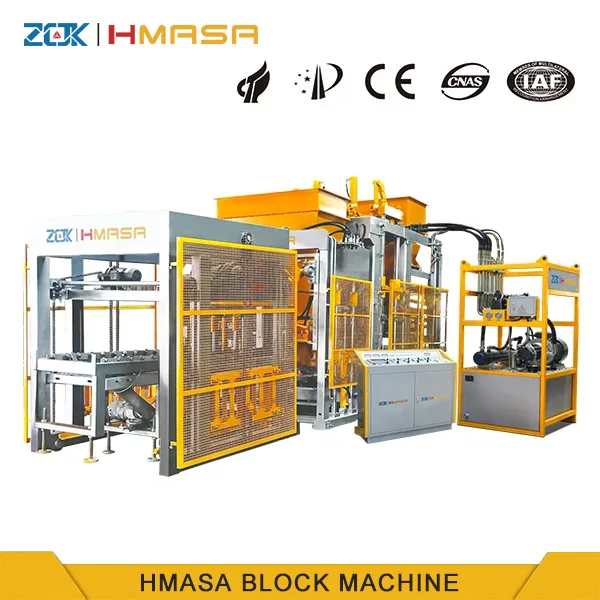
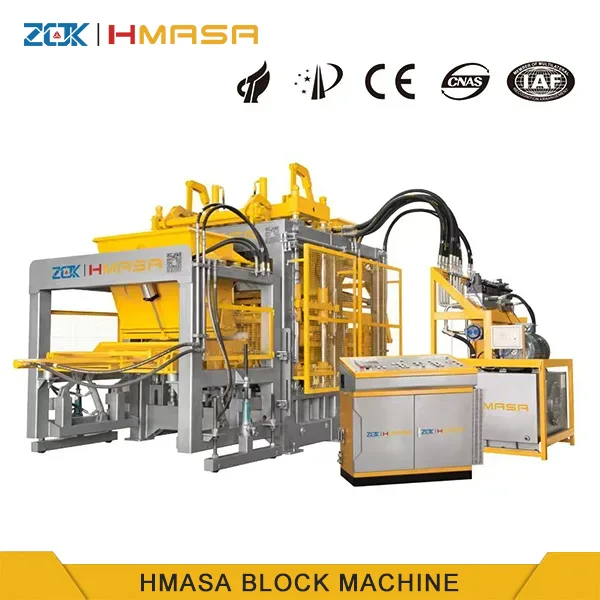
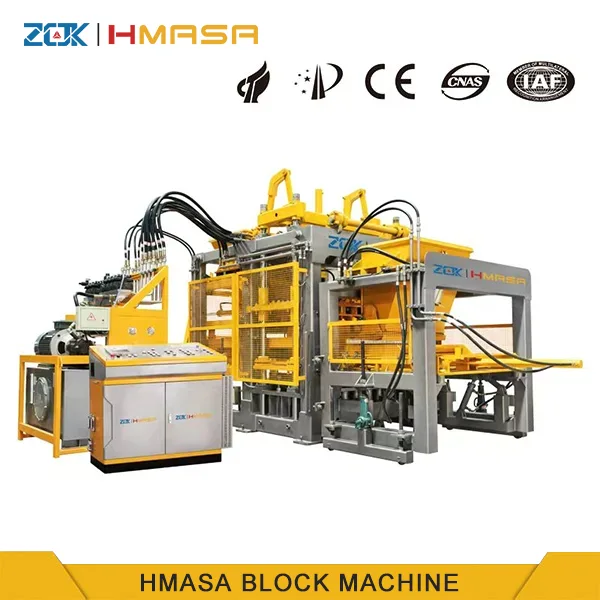
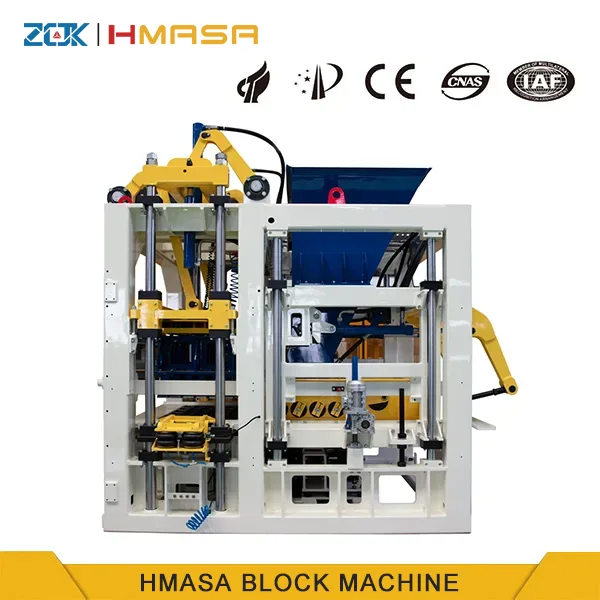
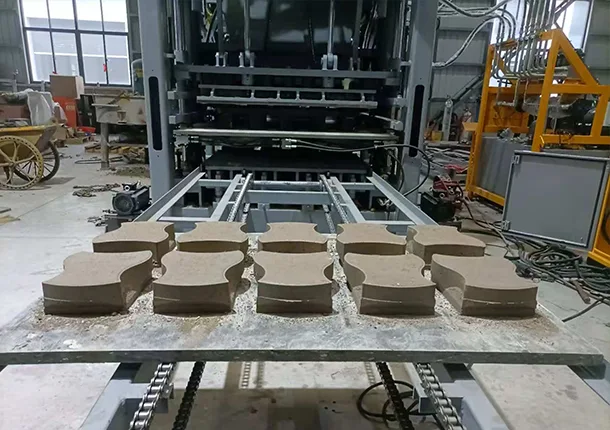
Concrete mixers are essential equipment in modern construction, providing consistent and high-quality concrete for various building projects. By automating the mixing process, these machines reduce labor, improve uniformity, and enhance productivity. This comprehensive guide explains different types of concrete mixers, their features, operational considerations, and maintenance tips. Additionally, it addresses common challenges faced by construction professionals and how the right equipment from ZCJK can deliver reliable and long-lasting performance.
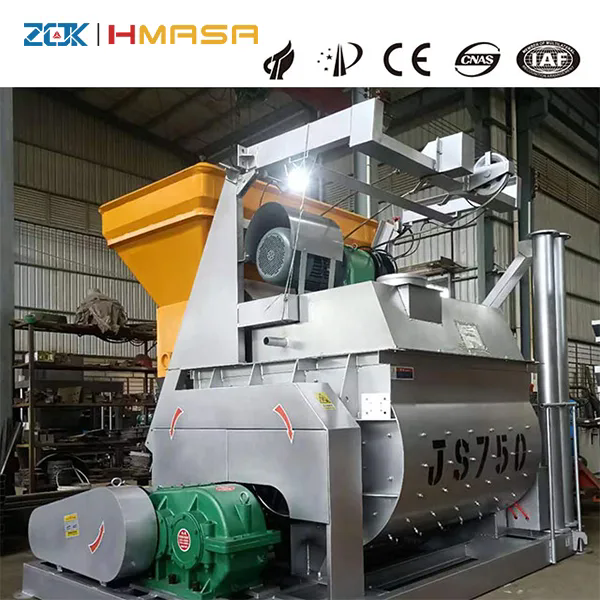
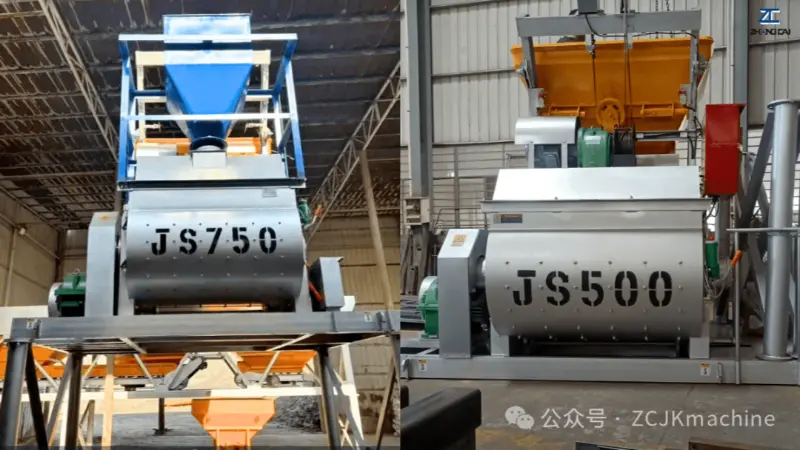
A concrete mixer is a mechanical device designed to combine cement, aggregates, and water to form uniform concrete. The primary function is to ensure even mixing and proper hydration of the cement, resulting in durable and high-strength concrete. Modern mixers, such as those offered by ZCJK, are engineered for efficiency, reliability, and adaptability to different construction environments.
Using a concrete mixer minimizes human error, reduces production time, and guarantees consistent concrete quality across different batches.
Common Construction Pain Points
Construction projects face recurring challenges related to concrete production. Identifying these issues helps professionals select the right equipment and implement best practices.
Inconsistent concrete mix leading to structural weaknesses
High labor costs and manual mixing inefficiencies
Frequent equipment downtime and maintenance issues
Limited mobility for on-site mixing
Difficulty managing large-scale or high-volume projects
Addressing these challenges with the appropriate concrete mixer technology ensures smooth operations and predictable results.
Types of Concrete Mixers
Concrete mixers vary in design, capacity, and mobility. Choosing the right type depends on project size, site conditions, and operational requirements.
Drum Concrete Mixers – Rotating drum for uniform mixing; suitable for small to medium projects
Pan Mixers – High-speed mixing in a pan-shaped container; ideal for high-quality concrete
Mobile Concrete Mixers – Transportable units for on-site projects; reduce delays and transportation costs
Twin-Shaft Mixers – Dual shafts for fast, intensive mixing; used for large-scale construction
Planetary Mixers – Rotating arms and drum for precise mixing; suitable for specialty concrete
How to Select the Right Concrete Mixer
Selecting the right mixer requires consideration of multiple factors to meet production and quality demands.
Project scale and daily concrete requirements
Type of concrete and aggregate used
Mixing speed and uniformity
Mobility and installation flexibility
Power source (electric, diesel, or hybrid)
ZCJK provides expert guidance to match concrete mixer models with project-specific needs, ensuring optimal performance and cost-effectiveness.
Operation and Performance Factors
Concrete mixer performance is influenced by operational practices and equipment settings.
Correct water-to-cement ratio for strength and durability
Optimal mixing time to achieve uniform consistency
Proper loading of aggregates and cement for balanced mixes
Regular calibration and inspection of rotating drums
Adjustments based on temperature and environmental conditions
Following these practices ensures maximum efficiency and consistent concrete quality throughout the project lifecycle.
Daily cleaning to prevent hardened concrete buildup
Regular lubrication of moving parts
Routine inspection of belts, motors, and shafts
Monitoring wear on mixing blades and drums
Periodic professional servicing for optimal operation
ZCJK concrete mixers are designed with durability and ease of maintenance in mind, helping customers minimize downtime and extend service life.
Construction Applications
Concrete mixers are used across a wide range of construction scenarios:
Residential and commercial building projects
Road, bridge, and infrastructure construction
Precast concrete production
Industrial facility foundations
Urban and remote construction sites requiring mobile solutions
Frequently Asked Questions
What is the optimal mixing time for concrete?
Mixing time depends on mixer type and batch size, but generally ranges from 2 to 5 minutes for uniform consistency.
Can a single mixer handle multiple projects?
Yes, as long as the mixer’s capacity matches daily production requirements and maintenance schedules are followed.
How often should concrete mixers be serviced?
Daily cleaning, weekly inspections, and periodic professional servicing are recommended for reliable operation.
Are mobile mixers as efficient as stationary mixers?
Mobile mixers provide flexibility and comparable quality for moderate volumes, though high-volume projects may benefit from stationary or twin-shaft mixers.
Conclusion and Contact Us
Concrete mixers are indispensable for modern construction, providing consistent, high-quality concrete efficiently. By understanding mixer types, operational practices, and maintenance requirements, construction professionals can improve project productivity and reduce costs. Selecting a reliable supplier is critical to achieving long-term performance.
ZCJK offers advanced concrete mixer solutions engineered for durability, performance, and ease of use. For expert guidance, personalized solutions, or to explore our product range, contact us today to discover how ZCJK can help your construction projects achieve optimal results.
We use cookies to offer you a better browsing experience, analyze site traffic and personalize content. By using this site, you agree to our use of cookies.
Privacy Policy