News

How Does a Concrete Brick Making Machine Improve Modern Construction Efficiency?

2026-02-11 0 Leave me a message

Article Summary

A concrete brick making machine plays a critical role in modern construction and infrastructure development. As demand for durable, cost-efficient, and standardized building materials increases, manufacturers and contractors face growing pressure to improve productivity while maintaining consistent quality. This article provides a comprehensive overview of how concrete brick making machines work, the challenges they solve, key technical parameters to evaluate, and how to select the right solution for different production needs. The content is designed to help decision-makers reduce operational risks, control costs, and achieve long-term production stability.

Concrete Brick Making Machine

Table of Contents

  • Overview of Concrete Brick Making Machines
  • Common Challenges in Brick Production
  • How a Concrete Brick Making Machine Works
  • Key Components and Their Functions
  • Main Types of Concrete Brick Making Machines
  • Technical Parameters to Evaluate
  • Applications Across Construction Projects
  • Operational Benefits for Manufacturers
  • Maintenance and Long-Term Reliability
  • Frequently Asked Questions
  • Conclusion and Business Cooperation

Overview of Concrete Brick Making Machines

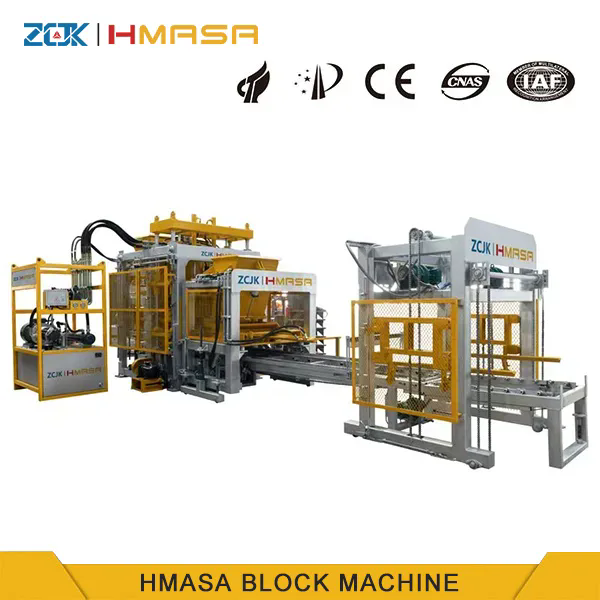
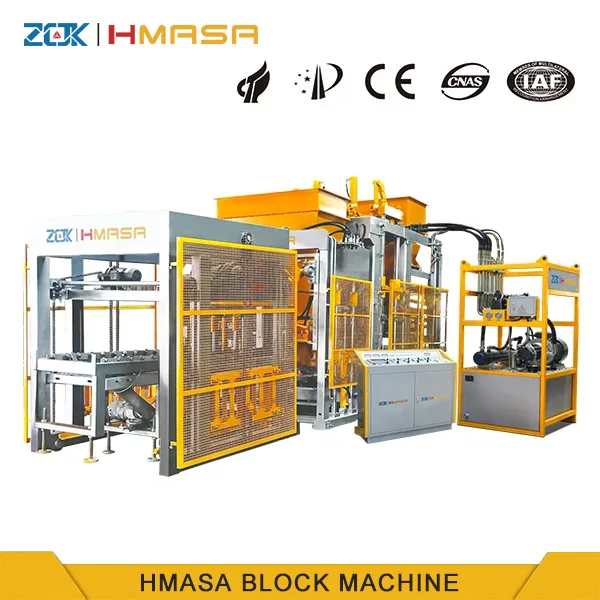
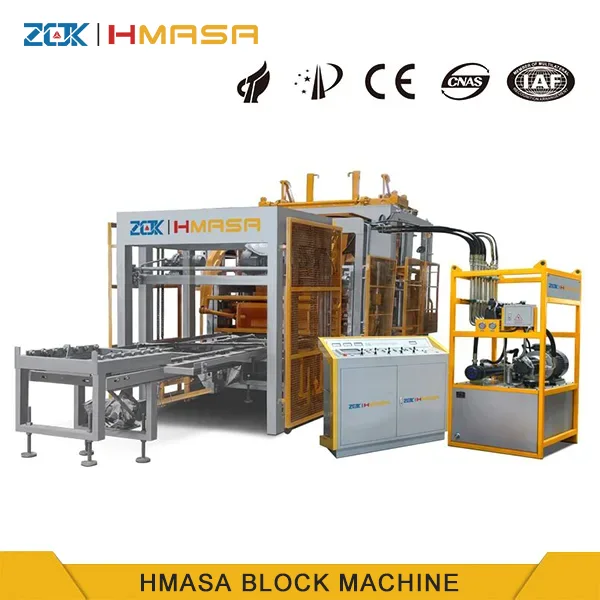
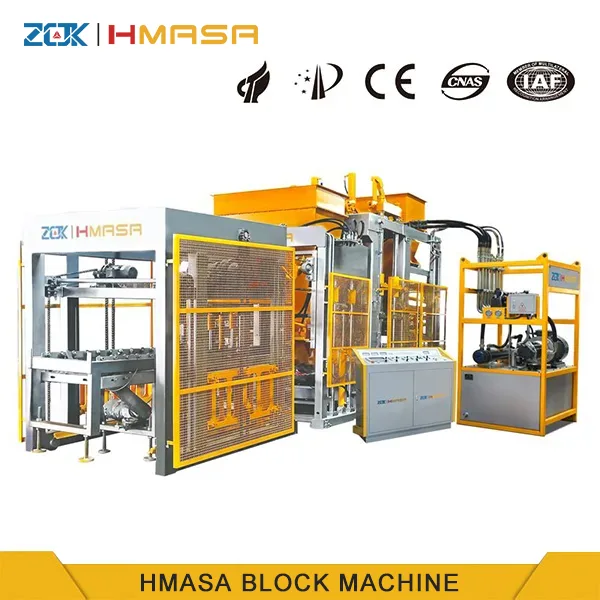
A concrete brick making machine is industrial equipment designed to produce solid, hollow, or interlocking concrete bricks through controlled mixing, molding, vibration, and compression processes. Unlike traditional manual brick production, automated systems ensure uniform density, precise dimensions, and consistent strength across large production volumes.

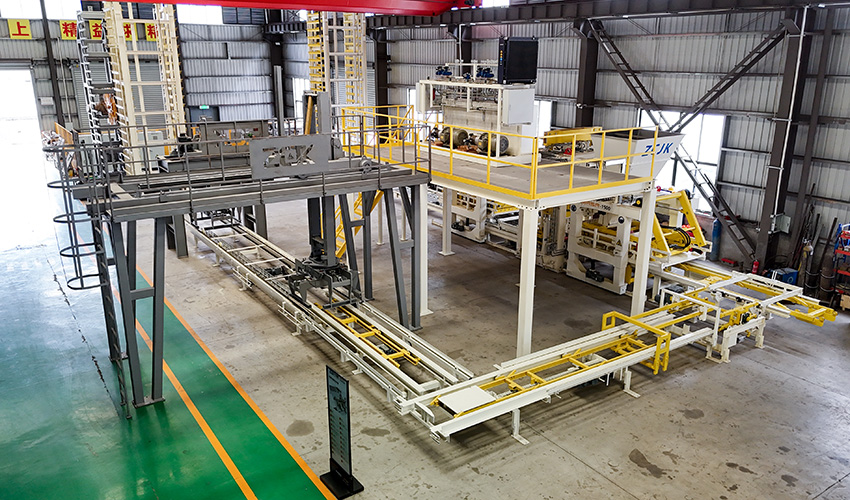
With urbanization accelerating worldwide, construction projects increasingly require standardized masonry units that meet strict structural and safety requirements. Concrete brick making machines address these demands by integrating mechanical, hydraulic, and electrical systems into a single production line.


Common Challenges in Brick Production

Brick manufacturers often encounter recurring operational challenges that directly impact profitability and delivery timelines. These challenges include:

  • Inconsistent brick strength due to uneven compaction
  • High labor dependency and rising labor costs
  • Low production efficiency with manual or semi-automatic methods
  • Material waste caused by inaccurate molding
  • Difficulty meeting large-scale project deadlines

A modern concrete brick making machine is engineered to resolve these issues by standardizing each production stage and minimizing human error.


How a Concrete Brick Making Machine Works

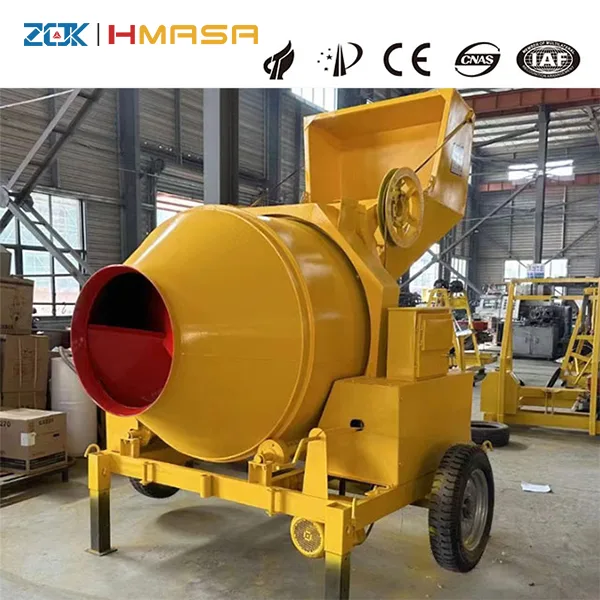
The working process begins with raw material preparation. Cement, aggregates, sand, and water are mixed according to predefined ratios to achieve optimal consistency. The mixture is then fed into the machine’s mold system.

Through vibration and high-pressure compaction, the material is shaped into bricks with uniform density. Once molded, the bricks are discharged onto pallets for curing. This controlled process ensures each unit meets design specifications and compressive strength requirements.


Key Components and Their Functions

Understanding the core components of a concrete brick making machine helps operators evaluate performance and durability.

Component Function
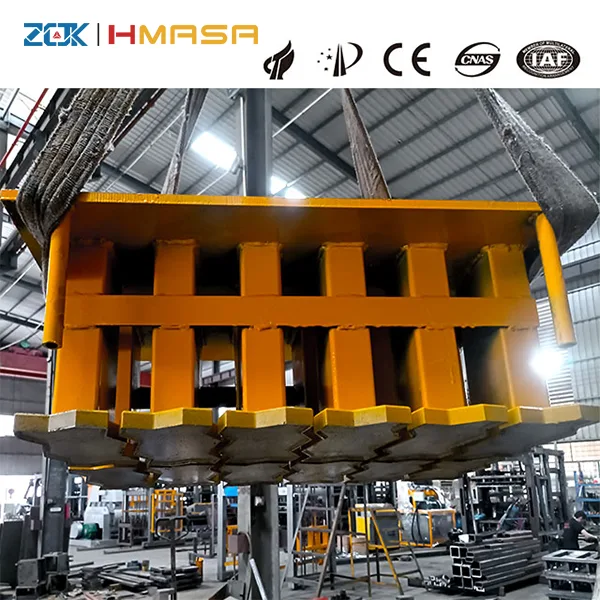
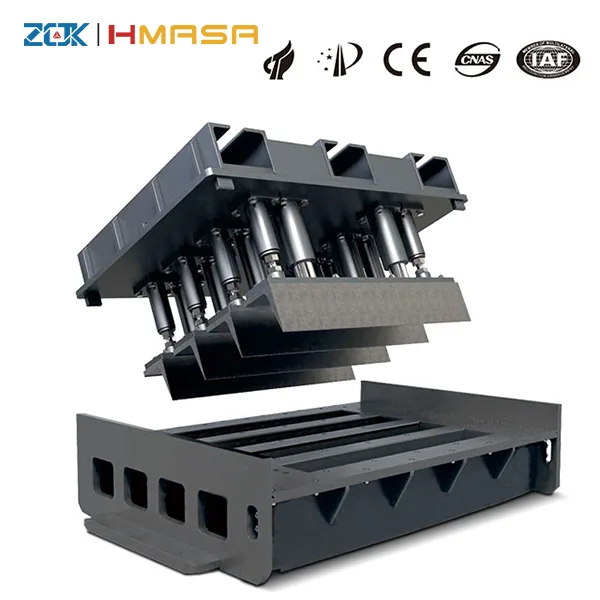
Mold System Defines brick shape, size, and surface finish
Vibration Unit Ensures even material distribution and density
Hydraulic System Provides compression force for strength and durability
Control System Manages production cycles and operating parameters
Frame Structure Supports machine stability during continuous operation

Main Types of Concrete Brick Making Machines

Concrete brick making machines are available in different configurations to suit varying production scales:

  • Manual Machines: Suitable for small workshops with limited output requirements
  • Semi-Automatic Machines: Balance labor input and mechanized efficiency
  • Fully Automatic Machines: Designed for high-volume industrial production

Selecting the appropriate type depends on daily output targets, labor availability, and long-term business planning.


Technical Parameters to Evaluate

Before investing in a concrete brick making machine, several technical parameters should be carefully reviewed:

Parameter Importance
Production Capacity Determines daily and monthly output levels
Molding Pressure Affects brick density and compressive strength
Power Consumption Impacts operational cost efficiency
Mold Compatibility Supports product diversification
Automation Level Reduces labor dependency and error rates

Applications Across Construction Projects

Concrete bricks produced by modern machines are widely used in residential buildings, commercial complexes, industrial facilities, and municipal infrastructure. Their uniform size and strength improve construction speed and structural reliability.

In large-scale projects, consistent brick quality also simplifies inventory management and reduces on-site material adjustments.


Operational Benefits for Manufacturers

Implementing a concrete brick making machine provides measurable business advantages:

  • Improved production consistency and quality control
  • Lower long-term labor and maintenance costs
  • Scalable output to match market demand
  • Enhanced competitiveness in bidding for large projects

Maintenance and Long-Term Reliability

Routine inspection, timely lubrication, and proper calibration are essential for maintaining machine performance. High-quality machines are designed for continuous operation with minimal downtime, provided preventive maintenance schedules are followed.

Reliable suppliers also offer technical support and spare parts availability, ensuring production continuity.


Frequently Asked Questions

Q1: What materials can be used in a concrete brick making machine?

Common materials include cement, sand, crushed stone, fly ash, and other industrial by-products, depending on brick specifications.

Q2: How long does it take to change molds?

Mold replacement time varies by machine design, but most modern systems allow quick changes to minimize downtime.

Q3: Is operator training required?

Basic training is recommended to ensure safe operation, correct parameter settings, and consistent output quality.


Conclusion and Business Cooperation

A concrete brick making machine is a strategic investment for manufacturers seeking efficiency, consistency, and scalability in brick production. By understanding machine types, technical parameters, and operational benefits, businesses can make informed decisions that support long-term growth.

ZCJK provides professional concrete brick making machine solutions designed to meet diverse production requirements. For tailored recommendations, technical support, and detailed specifications, ZCJK invites interested partners to contact us and explore reliable cooperation opportunities.

Related News
Leave me a message
X
We use cookies to offer you a better browsing experience, analyze site traffic and personalize content. By using this site, you agree to our use of cookies. Privacy Policy
Reject Accept