Brick molds play a critical role in modern brick manufacturing by directly influencing product consistency, production efficiency, and long-term operational costs. Selecting the right brick molds can help manufacturers reduce defects, optimize output, and adapt to diverse market demands. This article provides a comprehensive overview of how brick molds work, the challenges manufacturers face, and how well-designed molds address real production pain points across different applications.
Introduction to brick molds and their industrial relevance
Production challenges faced by brick manufacturers
Material and structural design of brick molds
Comparison of different mold types
Operational benefits and cost efficiency
Selection and maintenance guidance
What Are Brick Molds?
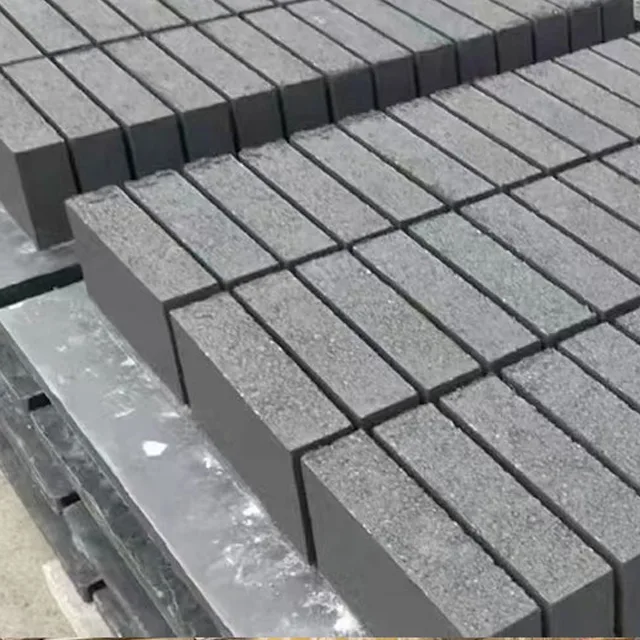
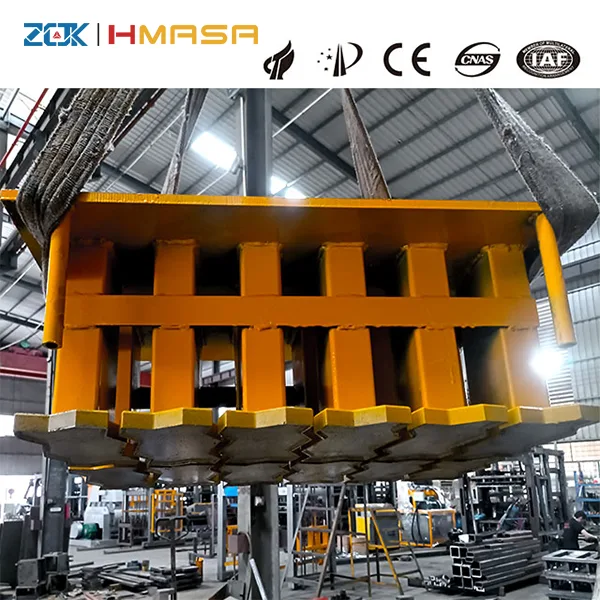
Brick molds are precision-engineered tools used to shape raw materials into standardized bricks during the forming stage. They define the brick’s size, surface finish, density, and structural integrity. In automated or semi-automated production lines, brick molds must maintain dimensional accuracy under continuous pressure, abrasion, and thermal variation.
High-quality brick molds are designed to support stable forming cycles while ensuring uniformity across large production volumes. This makes them a foundational component in clay brick plants, concrete brick facilities, and fly ash brick production lines.
Common Challenges in Brick Production
Brick manufacturers often face recurring operational issues that directly impact profitability and product quality. Many of these challenges are closely tied to mold performance.
Inconsistent brick dimensions leading to construction difficulties
High mold wear causing frequent replacements
Surface defects such as cracks or uneven textures
Reduced output due to mold sticking or deformation
Incompatibility with different raw material compositions
Addressing these issues requires molds that balance durability, precision, and adaptability.
Key Materials Used in Brick Molds
The material selection of brick molds directly affects their lifespan and forming accuracy. Different production environments require different material solutions.
Mold Material
Primary Characteristics
Suitable Applications
Alloy Steel
High strength, wear resistance, dimensional stability
High-volume automated brick lines
Carbon Steel
Cost-effective, moderate durability
Standard clay brick production
Surface-Treated Steel
Enhanced corrosion and abrasion resistance
Fly ash and concrete brick forming
Types of Brick Molds and Their Applications
Brick molds are available in multiple configurations to match specific production needs and equipment setups.
Solid Brick Molds: Designed for dense, load-bearing bricks with minimal internal voids.
Hollow Brick Molds: Used to reduce material consumption while improving thermal insulation.
Custom-Shaped Molds: Developed for architectural or decorative bricks.
Interlocking Brick Molds: Enable faster construction and improved alignment.
How Brick Molds Improve Production Performance
Well-designed brick molds deliver measurable benefits throughout the production cycle.
Improved dimensional accuracy across batches
Reduced material waste and rework rates
Higher output stability in continuous operations
Lower downtime caused by mold failure
Consistent surface finish that meets market standards
By maintaining forming precision under demanding conditions, brick molds help manufacturers achieve predictable results and scalable production.
How to Choose the Right Brick Molds
Selecting appropriate brick molds requires a clear understanding of production parameters and long-term operational goals.
Brick size, shape, and tolerance requirements
Raw material composition and moisture content
Production volume and cycle speed
Compatibility with existing machinery
Expected service life and maintenance capacity
Custom mold solutions are often preferred when standard molds cannot meet specialized requirements or output targets.
Maintenance and Service Life Considerations
Routine maintenance significantly extends the working life of brick molds. Proper cleaning, surface inspection, and timely refurbishment prevent premature wear and dimensional deviation.
Implementing scheduled maintenance plans also minimizes unexpected downtime and helps maintain consistent product quality throughout the mold’s lifecycle.
Frequently Asked Questions
How long do brick molds typically last?
Service life depends on material quality, production intensity, and maintenance practices. High-grade steel molds can support long-term, high-volume use when properly maintained.
Can brick molds be customized for specific designs?
Yes. Custom brick molds can be engineered to match unique dimensions, surface textures, or structural features required by specific projects.
Do brick molds affect production speed?
Efficient mold design reduces sticking, deformation, and alignment issues, which directly supports smoother and faster production cycles.
Conclusion
Brick molds are far more than shaping tools—they are strategic assets that influence efficiency, consistency, and overall production performance. Investing in well-designed molds helps manufacturers overcome operational challenges while meeting evolving market expectations.
ZCJK provides comprehensive brick mold solutions engineered for durability, precision, and adaptability across diverse brick manufacturing environments. For tailored mold solutions that align with your production goals, contact us to explore how ZCJK can support your long-term success.
We use cookies to offer you a better browsing experience, analyze site traffic and personalize content. By using this site, you agree to our use of cookies.
Privacy Policy