Summary:GMT pallets have become a critical component in modern brick-making operations. Crafted from advanced composite materials, they provide durability, precision, and resistance to wear and moisture. This article explores their structure, benefits, applications, and maintenance strategies, offering actionable insights for manufacturers seeking efficiency and cost savings.
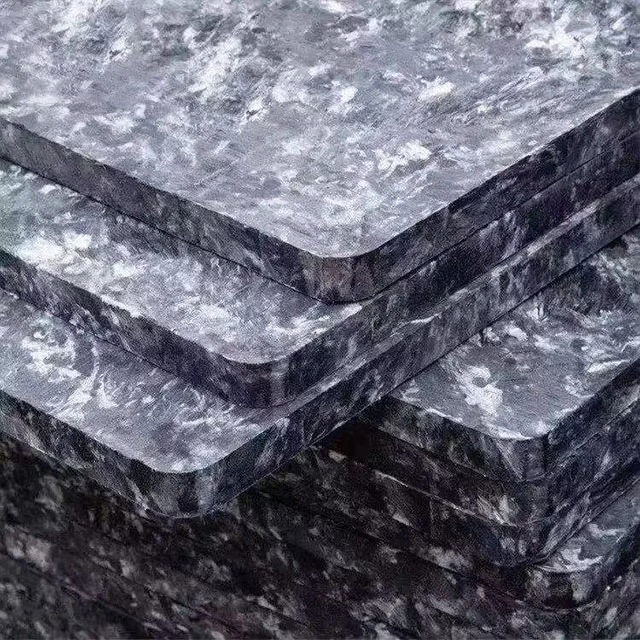
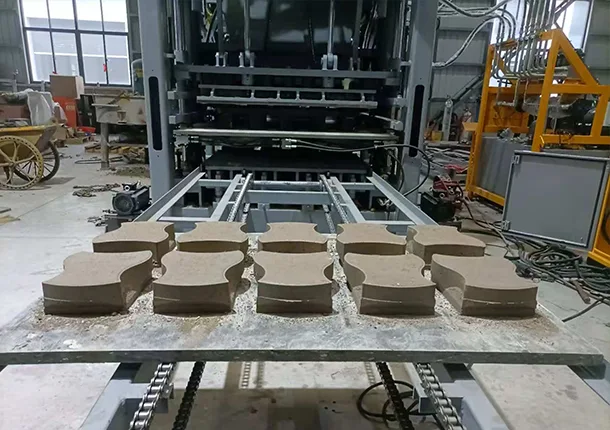
GMT pallets, produced by ZCJK, are made of fiberglass-reinforced composite materials designed for industrial brick-making applications. They are engineered for precision and durability, providing stable support for brick transfer and handling.
Weight capacity: 1.5–3 tons
Surface flatness error: ≤2mm
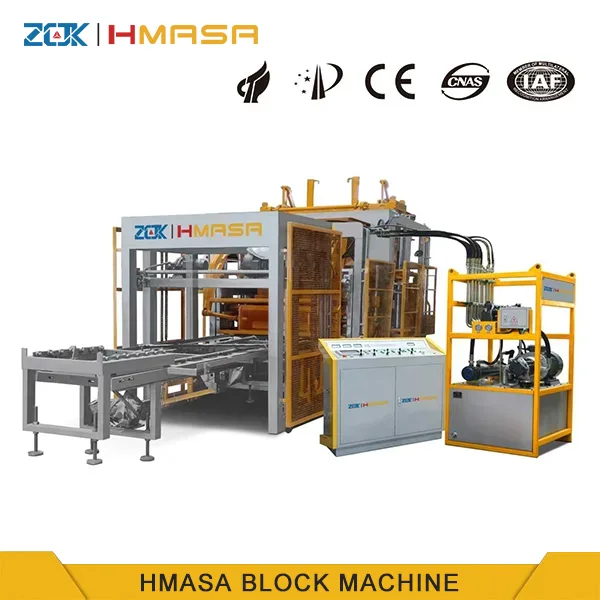
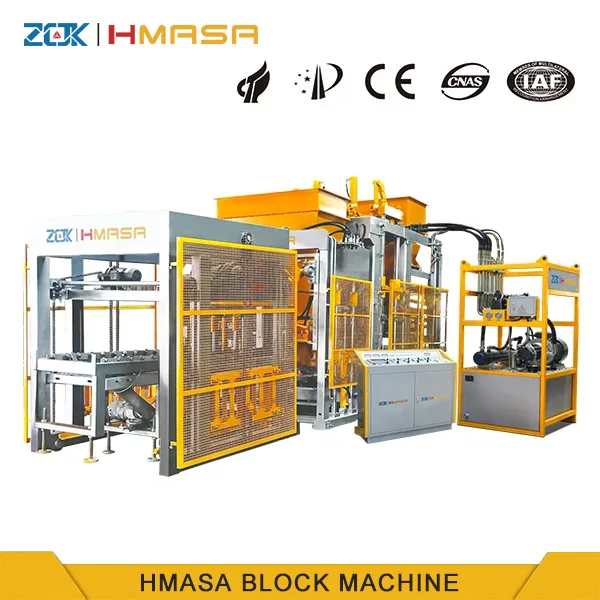
Compatible with multiple brick-making machines
Wear-resistant coating extends lifespan to 3–5 years
Structural Features and Material Composition
The performance of a GMT pallet depends largely on its multi-layer composite structure:
Component
Material
Function
Base Layer
Fiberglass-reinforced composite
Provides load-bearing capacity and rigidity
Intermediate Layer
Wear-resistant polymer coating
Enhances durability and resists abrasion
Top Surface
Flat composite sheet
Ensures precision in brick molding and stacking
Edge Reinforcements
High-strength resin composites
Prevents chipping and deformation
This structure allows GMT pallets to withstand repetitive industrial use while maintaining consistent dimensions, critical for automated brick production lines.
Key Advantages in Brick Production
Manufacturers often face challenges with pallet durability, material waste, and operational efficiency. GMT pallets address these challenges effectively:
Extended Lifespan: Resistant to moisture, mildew, and wear, lasting up to 5 times longer than wooden pallets.
Their uniform surface and sturdy design make them adaptable for both manual and fully automated production lines.
How to Select the Right GMT Pallet
Choosing the correct GMT pallet is essential for maximizing production efficiency and minimizing operational losses. Consider the following factors:
Machine Compatibility: Verify the pallet size and load-bearing capability match your equipment specifications.
Brick Type: Select pallets designed for the density and dimensions of your bricks.
Environmental Conditions: For humid or wet environments, ensure the pallet has moisture-resistant coatings.
Production Volume: Higher throughput may require pallets with enhanced wear resistance.
Customization Options: ZCJK provides tailored specifications for specialized applications.
Maintenance and Longevity
Proper maintenance extends the service life of GMT pallets. Key strategies include:
Regular cleaning to remove debris and cement residue
Inspection for surface wear and edge damage
Storage in dry, shaded areas to prevent environmental degradation
Timely replacement of damaged pallets to avoid production interruptions
Following these practices can ensure a lifespan of up to 5 years or more, delivering consistent efficiency.
Frequently Asked Questions
What is the weight capacity of a GMT pallet?
GMT pallets typically support 1.5–3 tons depending on size and specifications.
Can GMT pallets be customized?
Yes, ZCJK offers a full range of sizes and reinforcement options to match specific machine and brick requirements.
How long does a GMT pallet last compared to wooden pallets?
GMT pallets generally last 3–5 years, which is up to 5 times longer than traditional wooden pallets.
Are GMT pallets compatible with automated brick-making machines?
Yes, they are designed to be compatible with sinterless brick machines ranging from types 6–22.
Contact ZCJK for GMT Pallets
ZCJK provides innovative GMT pallets designed to enhance brick production efficiency. For personalized solutions, expert guidance, and detailed quotations, contact us today and optimize your brick-making operations with durable, precise, and high-performance GMT pallets.
We use cookies to offer you a better browsing experience, analyze site traffic and personalize content. By using this site, you agree to our use of cookies.
Privacy Policy