News

How Servo-Driven Block Machines Reduce Cement Waste & Production Costs

2026-03-19 0 Leave me a message

Introduction: The Hidden Cost of Cement Waste

In concrete block production, cement is one of the most expensive raw materials. For manufacturers focusing on cost-effective block production, cement costs account for a significant portion of total expenses, directly affecting profit margins.

When searching for a Automatic Block & Brick Making Machines, most buyers focus on output capacity. However, one critical factor is often overlooked: material utilization efficiency. 

Even a small improvement in cement usage can generate substantial savings for factories producing thousands of blocks per day.

Where Cement Waste Occurs in Traditional Production

Understanding how cement is wasted is the first step toward improving efficiency.

Inconsistent Vibration

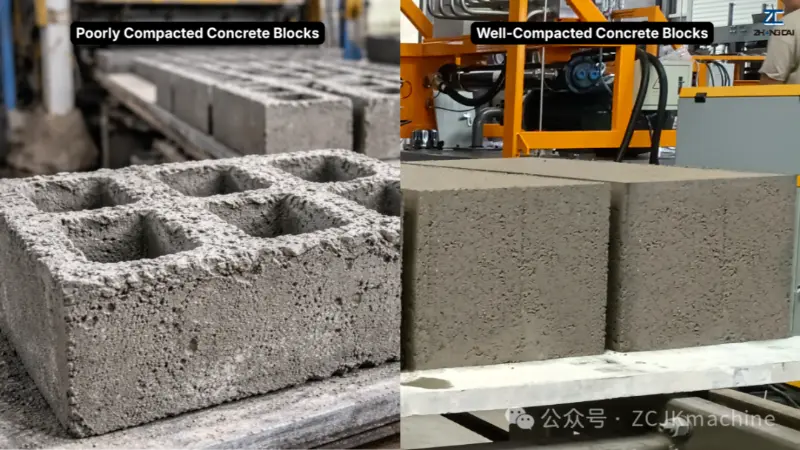
Traditional machines with fixed-frequency systems cannot adapt to variations in moisture or mold design. As a result, materials are not evenly distributed, requiring additional cement to ensure strength. Research in Concrete Technology shows that inadequate compaction directly reduces density.

Overcompensation in Mix Design

To avoid weak blocks, many operators increase the cement proportion. According to the International Journal of Concrete Structures and Materials, improper compaction can result in 10%–25% higher cement usage than necessary.

Unstable Pressure Control

Traditional hydraulic systems lack precision, leading to uneven compaction and higher rejection rates.

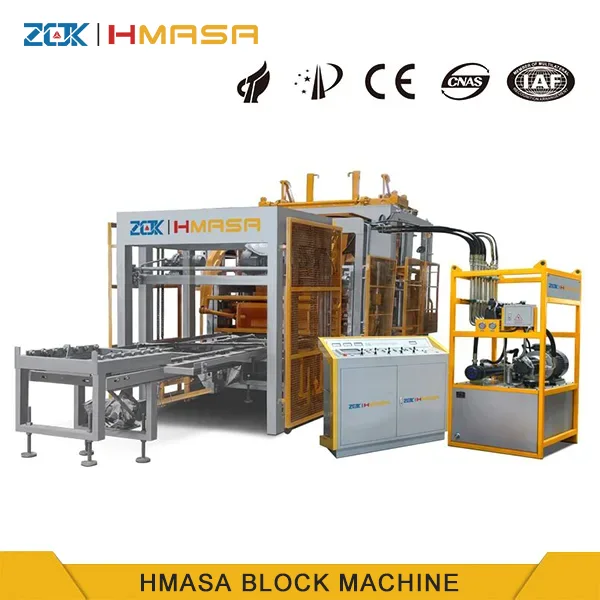
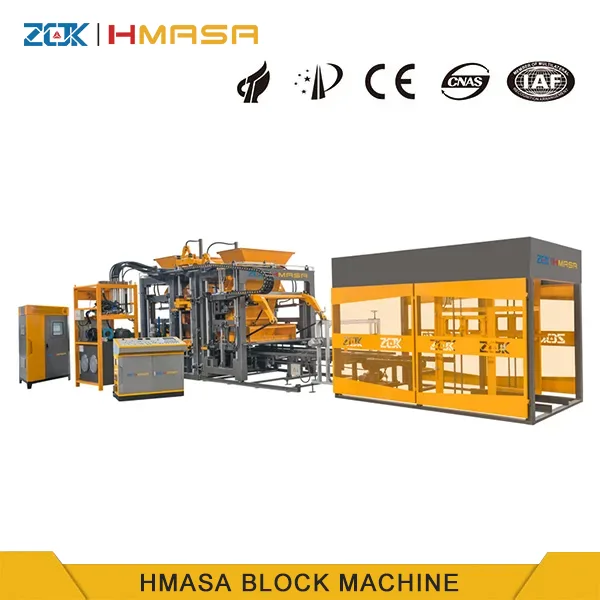
Automatic Block & Brick Making Machines

How Servo Systems Improve Material Precision

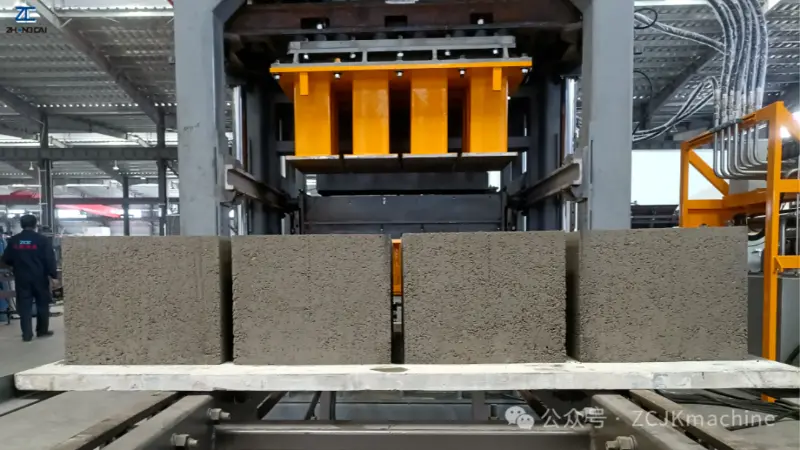
Servo-driven systems address these issues by providing precise control over production parameters.

Adjustable Vibration: Allows dynamic adjustment to achieve more uniform material distribution.

Accurate Pressure: Ensures stable material density and reduces variability.

Synchronization: Coordinates vibration and pressing for a more stable structure.

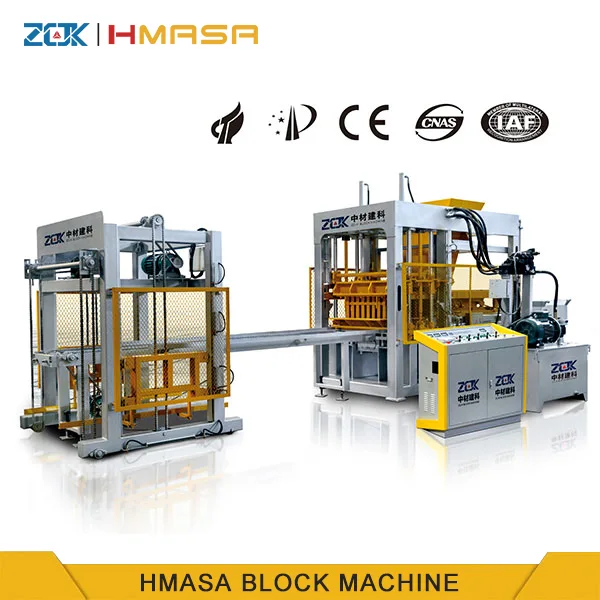
Automatic Block & Brick Making Machines

Data Insight: How Much Cement Can Be Saved?

Industry research from the American Concrete Institute (ACI) indicates that optimized compaction can reduce cement usage by 10%–20%. 

More uniform density reduces the need for excess cement in mix design, significantly improving the strength-to-cement ratio.

Real Business Impact: Lower Cost per Block


For brick manufacturers, the ultimate goal is to reduce the cost per block. When evaluating the automatic brick making machine price, one must consider the long-term operational savings.

Savings Logic:

Cement saved per block x Daily output x Annual days = Total Annual Savings

By choosing ZCJK’s high-performance models, these savings can offset fluctuations in raw material prices and provide a stronger competitive position.

Conclusion: Producing More Value with the Same Materials

As raw material prices rise, investing in technology that improves material efficiency is crucial. Servo-driven systems enable improved cement utilization, reduced waste, and better cost control.

Contact us today to get a free latest quotation and a customized solution.


Related News
Leave me a message
X
We use cookies to offer you a better browsing experience, analyze site traffic and personalize content. By using this site, you agree to our use of cookies. Privacy Policy
Reject Accept