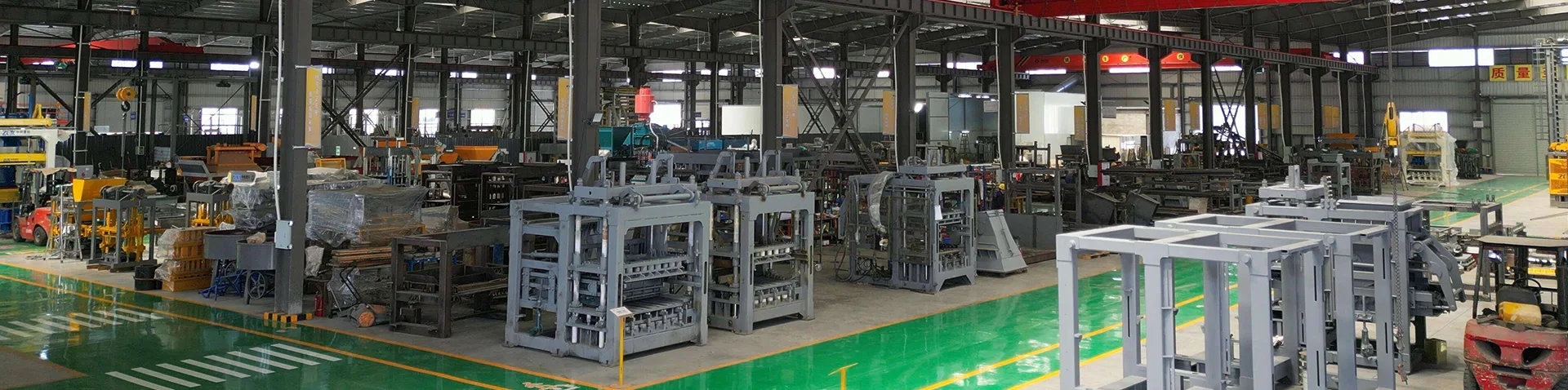
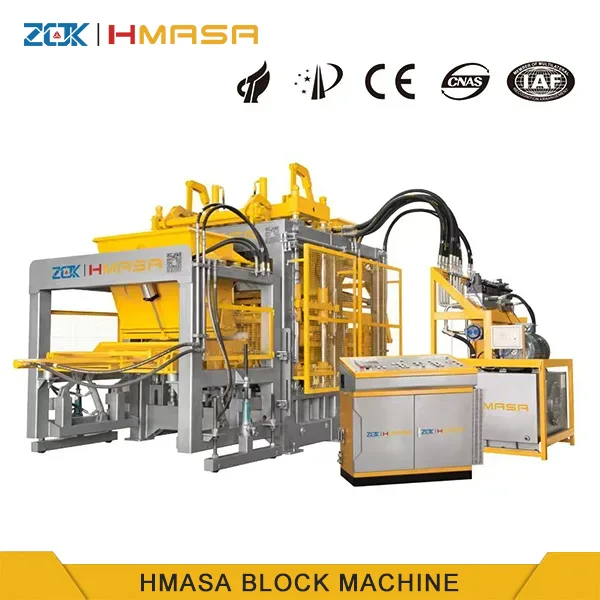
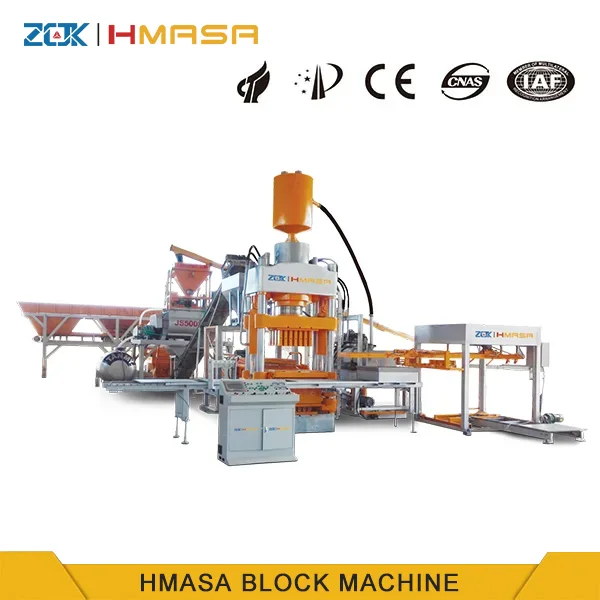
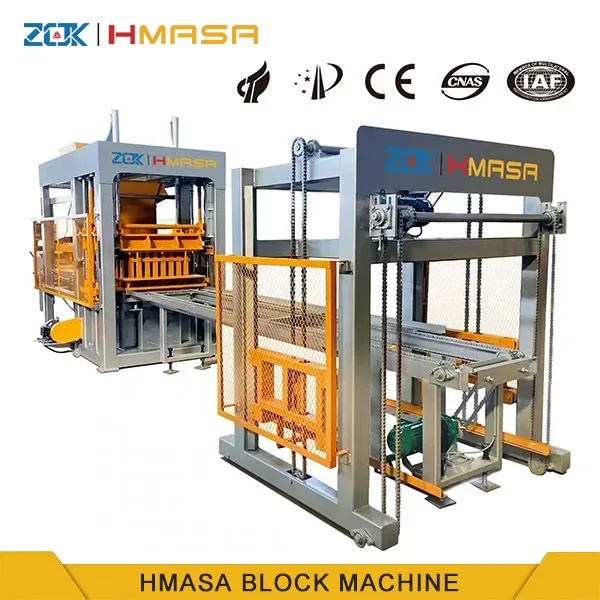
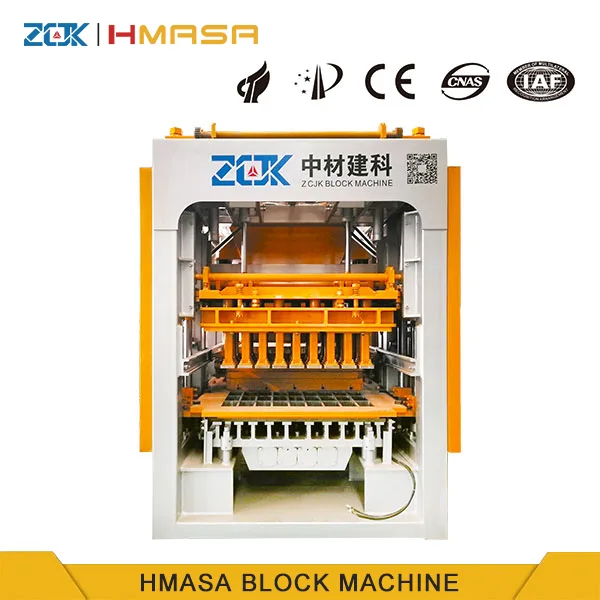
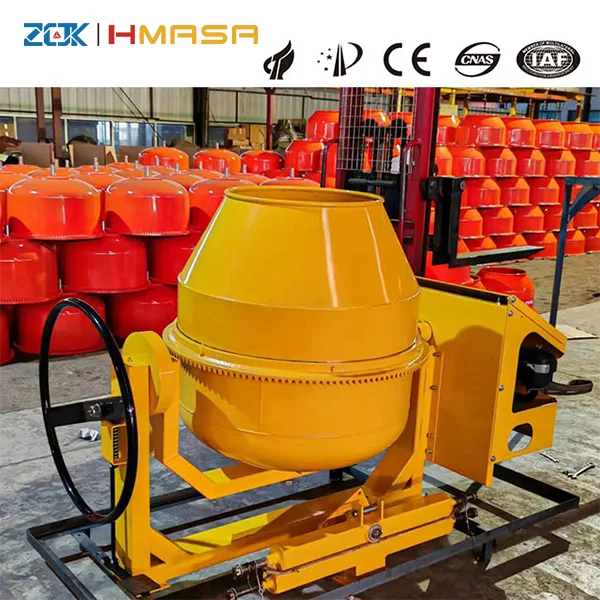
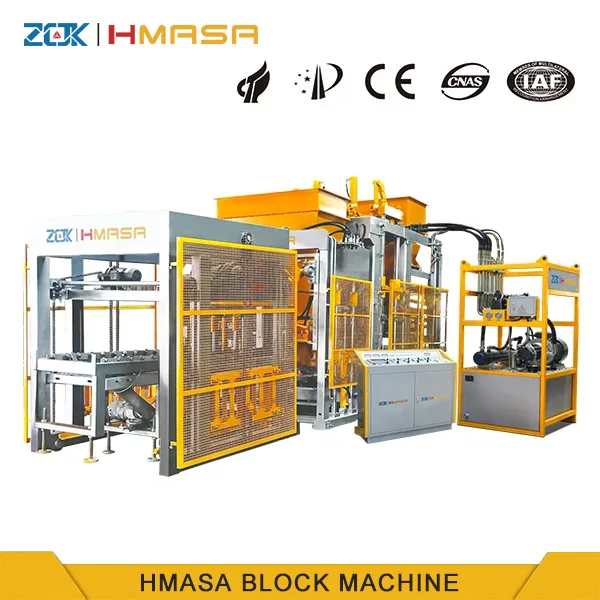
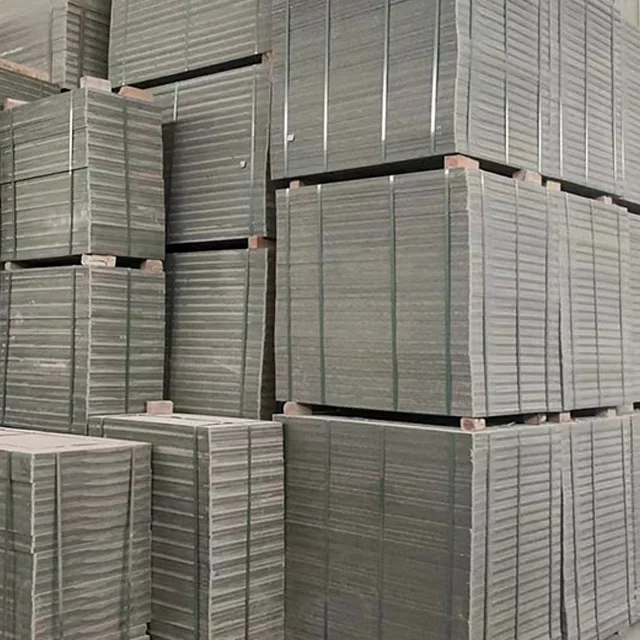
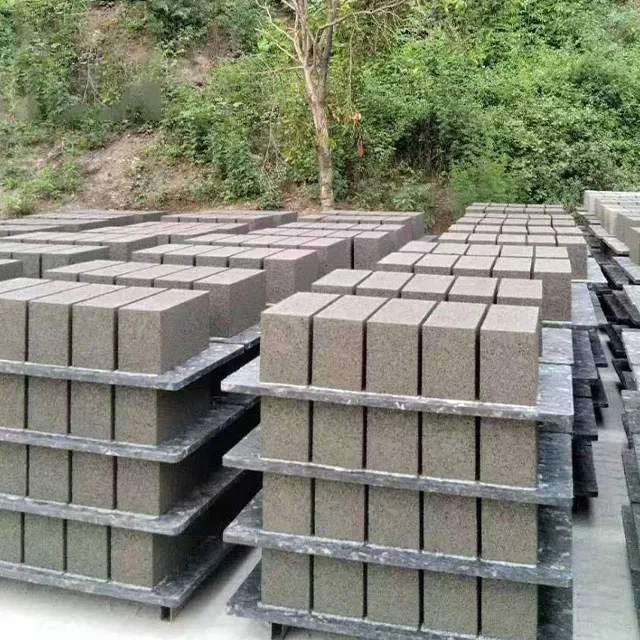
For construction professionals seeking durability and reliability in material production, our state-of-the-art solid brick making machine stands as the cornerstone of modern manufacturing. Designed for high-volume output and consistent quality, this machine is engineered to produce dense, uniform solid bricks perfect for load-bearing walls, foundations, and pavements. Its robust construction ensures longevity, making it a smart investment for any large-scale project or brick manufacturing plant. Our technology integrates seamlessly with various production systems, including a fly ash brick production line for eco-friendly material use, and can complement specialized equipment like a hollow brick molding machine for a complete product portfolio. While ideal for solid units, its precision engineering shares core principles with high-performance cement brick manufacturing equipment. Furthermore, the adaptability of its pressure system offers insights beneficial for operators of traditional clay brick forming machine setups looking to modernize.
The <产品名字> is built with performance and user control in mind. Below are the detailed parameters that define its operational excellence.
Core Performance Metrics:
Detailed Machine Specifications Table:
| Parameter | Specification | Notes |
|---|---|---|
| Model | SBM-HD4 | Heavy-Duty Series |
| Overall Dimensions (LxWxH) | 4200x1800x2100 mm | Compact footprint |
| Operating Weight | Approx. 6800 kg | Stable during operation |
| Brick Size Range | Up to 300x150x100 mm | Custom molds available |
| Raw Material Compatibility | Cement, Sand, Fly Ash, Crushed Stone, Soil | Wide material flexibility |
| Moisture Content Requirement | 8% - 12% | For optimal forming |
| Pallet Size | 850x450 mm | Standardized for easy handling |
| Cycle Time | 15-20 seconds | Depends on brick size |
| Noise Level | < 75 dB(A) | Factory compliance standard |
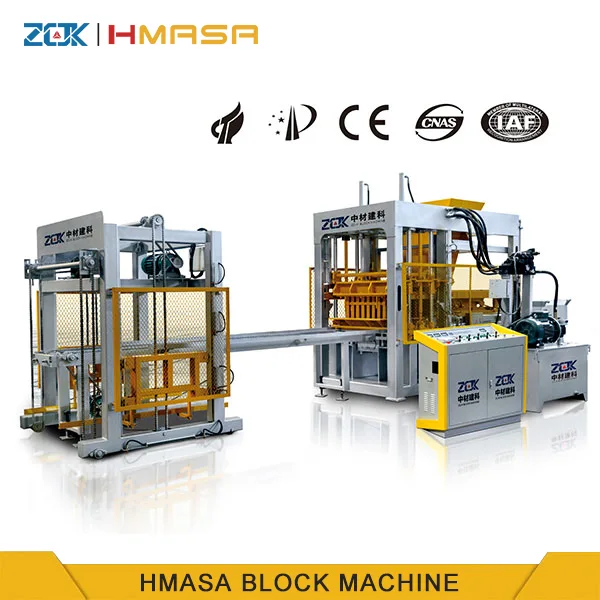
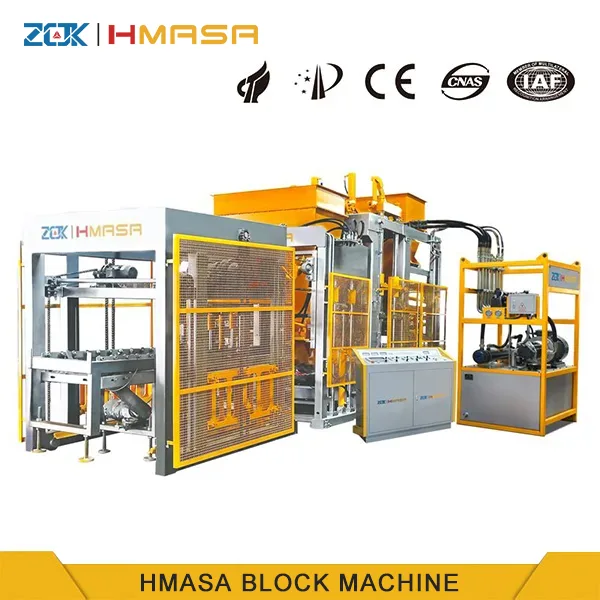
The integration of a heavy-duty frame with a precision-guided mold system ensures every brick produced by the <产品名字> meets strict dimensional tolerances. The PLC interface allows operators to monitor pressure, cycle count, and diagnose issues swiftly, minimizing downtime. Its low maintenance design, featuring easily accessible lubrication points and wear-resistant lining plates, guarantees sustained productivity even under continuous operation.